When Hope Distorts the Odds – How We Perceive Chances in the Lottery

When Hope Distorts the Odds – How We Perceive Chances in the Lottery
Every week, millions of Americans buy lottery tickets, each one a tiny piece of hope folded into a slip of paper. We know the odds are astronomical—one in hundreds of millions for the biggest jackpots—yet we keep playing. Why? The answer lies in how our minds handle probability, and how hope and emotion often overpower logic.
The Brain Isn’t a Calculator
Humans aren’t wired to think in large numbers or tiny probabilities. Our brains evolved to make quick judgments, not to grasp what “one in 300 million” really means. As a result, we tend to overestimate small chances, especially when the potential reward is life-changing.
Psychologists call this the “lottery effect”: even a minuscule chance of a huge win feels more real than it is. The possibility of a better life—however remote—captures our imagination far more than the cold math of probability.
The Power of Hope and the Illusion of Control
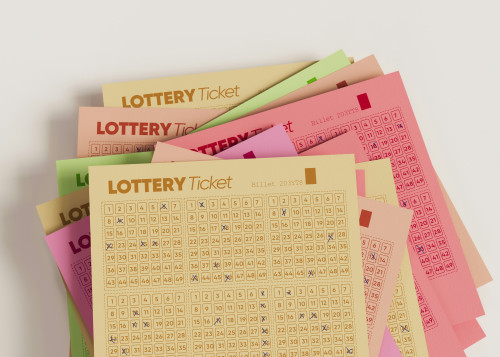
Buying a lottery ticket isn’t just about money. It’s about hope. That ticket represents a dream—freedom from debt, a new home, a chance to help family, or simply the thrill of imagining a different life. That emotional pull can easily overshadow the statistical reality.
Many players also experience what psychologists call the illusion of control. They pick their own numbers, play on birthdays, or stick to “lucky” rituals, believing these choices somehow influence the outcome. Even though the draw is completely random, these habits give a comforting sense of participation and meaning.
Læs også:
Stories That Feed the Dream
When the news highlights a new Powerball or Mega Millions winner, the dream feels tangible. We see smiling faces holding giant checks, but rarely the millions of disappointed players who didn’t win. This creates what psychologists call an availability bias: we remember the rare success stories far more vividly than the countless losses.
The more we hear about winners, the more realistic it feels that we could be next. The media’s focus on extraordinary luck makes the improbable seem almost attainable.
Small Wins Keep Us Hooked
Lotteries are designed to keep hope alive. Occasional small prizes—enough to buy another ticket or two—trigger a burst of dopamine in the brain, the same chemical linked to pleasure and reward. This reinforcement encourages us to play again.
Even near-misses can have a powerful effect. When we come close to winning—just one number off—it activates the same reward centers as an actual win. That “almost” feeling keeps us engaged, fueling the cycle of anticipation and play.
When Hope Turns Into Self-Deception
Dreaming is human, but when hope distorts reality, it can lead to unrealistic expectations. Some players begin to see the lottery not as entertainment, but as a plan—a way out of financial hardship. That mindset can lead to disappointment, financial strain, and even addiction.
It’s important to remember that the lottery is a game, not a strategy. Buying a ticket can be a fun tradition or a harmless daydream, but it should never be part of one’s financial planning.
Seeing the Game Clearly
Understanding the psychology behind the lottery doesn’t mean you have to stop playing. It simply means playing with awareness. When we recognize how hope, emotion, and probability interact, we can enjoy the excitement without being misled by it.
In the end, it’s not the numbers that make the lottery fascinating—it’s the dream that everything could change in an instant. And that dream, more than the jackpot itself, reveals something profound about what it means to be human.
Læs også: