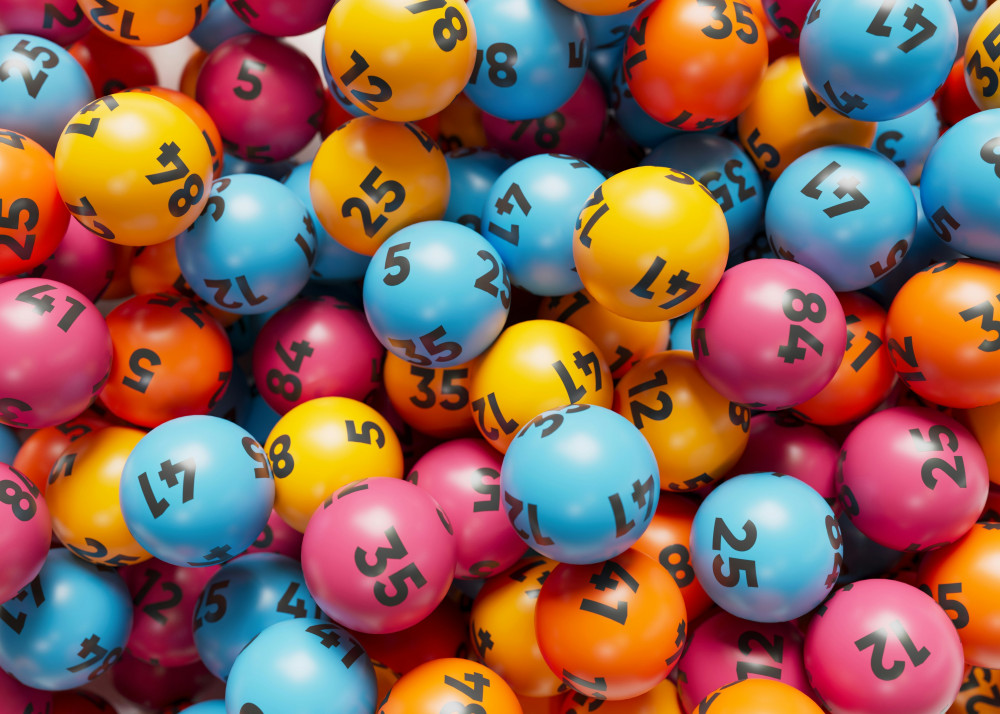
The Feeling of Control in a Game of Chance – Why Random Draws Fascinate Us Humans

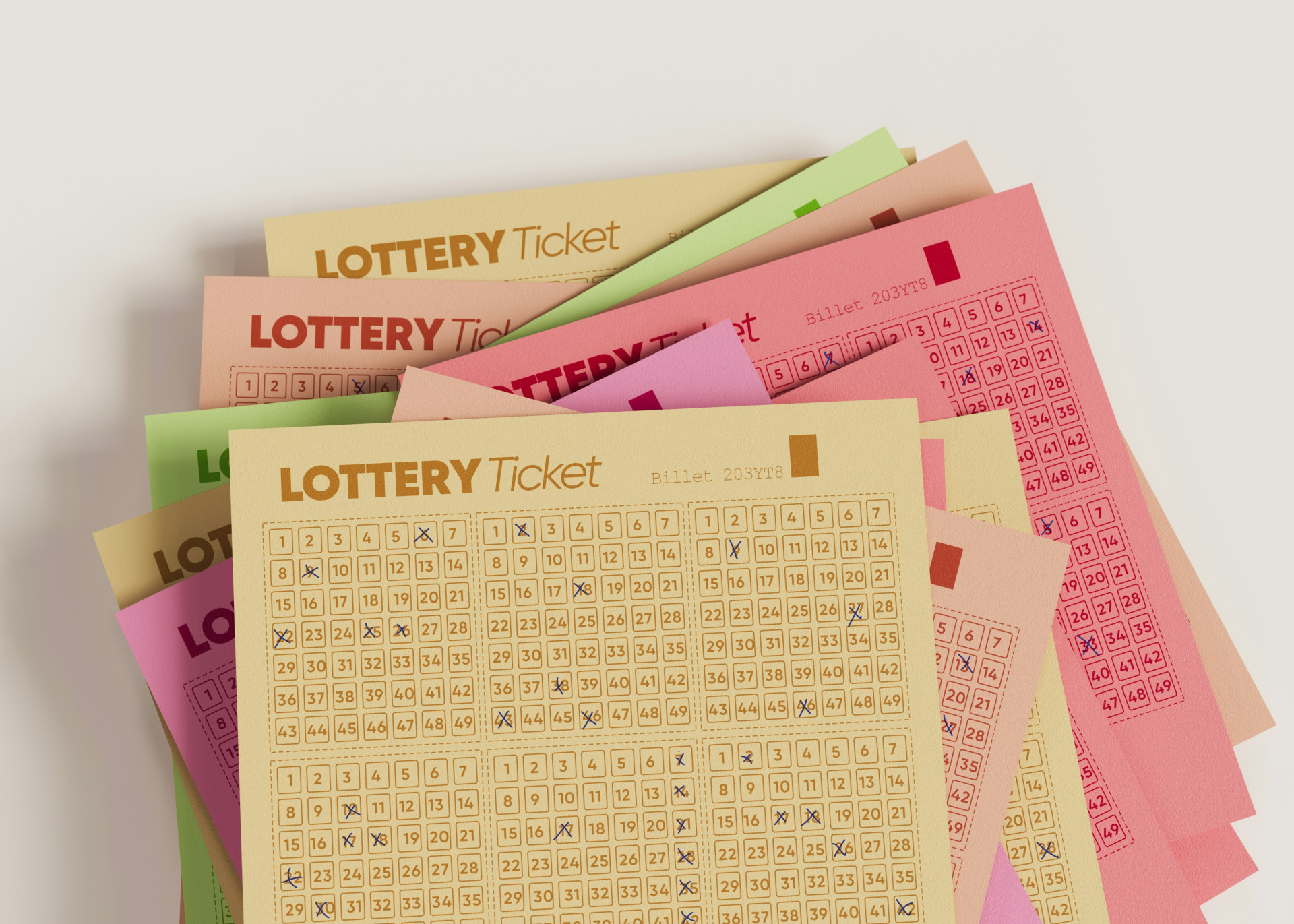
The Feeling of Control in a Game of Chance – Why Random Draws Fascinate Us Humans
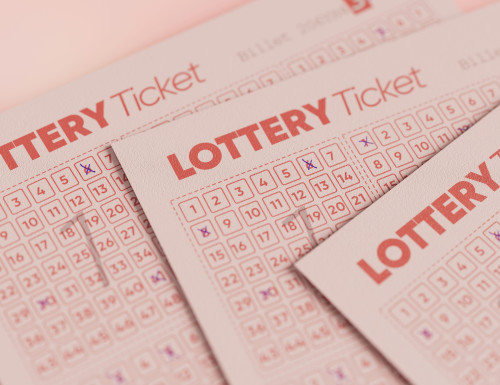
When we buy a lottery ticket, spin a wheel, or draw a name from a hat, we know the outcome is random. Yet, many of us feel a spark of excitement—and sometimes even a sense that we might influence the result. Why are we so drawn to games of chance when we rationally know we have no control? The answer lies in a mix of psychology, hope, and our deep human desire to find patterns in the unpredictable.
Chance as a Space for Hope
A random draw represents one of the few arenas in life where everyone—regardless of background, wealth, or effort—has an equal shot. It’s a democratic kind of thrill, where luck can strike anyone. In a society that prizes hard work and planning, chance offers a rare escape: a moment when anything could happen.
When we take part in a game of chance, we open a small window to the dream of change. It’s rarely just about the prize—it’s about the possibility. The thought that “it could be me” is itself a reward, triggering the brain’s pleasure centers and fueling our imagination.
The Illusion of Control
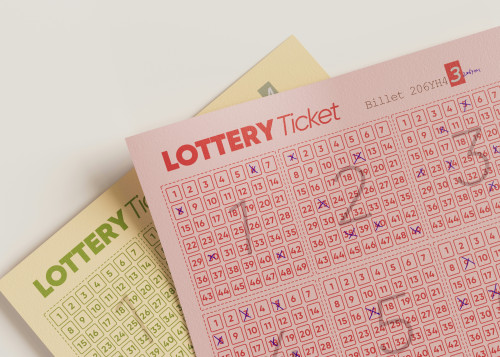
Psychologists call it the “illusion of control”—our tendency to believe we can influence random events. Many people pick their own lottery numbers, wear a lucky shirt, or have rituals before a drawing. These actions don’t change the odds, but they create a comforting sense of agency.
This illusion isn’t necessarily harmful. It can make the experience more engaging and enjoyable, giving us a feeling of participation rather than passivity. In a way, it’s how we bring meaning to the meaningless—a deeply human impulse that extends far beyond games and lotteries.
From Ancient Rituals to Modern Lotteries
Our fascination with randomness is ancient. Long before modern lotteries, people cast lots to make decisions, divide resources, or seek divine guidance. In many cultures, chance was seen as a message from fate or the gods—a way for the universe to speak.
Today, the process is digital, but the feeling remains the same. Whether it’s a national lottery, a raffle at a local fundraiser, or an online giveaway, that moment when the result is revealed still stirs the same mix of excitement, hope, and suspense. It’s a tiny drama in which anyone can be the hero—if only for a moment.
Læs også:
When Chance Becomes Community
Games of chance aren’t just about individual hope; they’re also about shared experience. Office lottery pools, family scratch-off traditions, or friendly bets during sports events all create a sense of togetherness. The anticipation, the laughter, and even the collective disappointment become part of the fun.
Even when no one wins, the ritual itself can bring joy. It’s a reason to dream out loud, to joke about luck, and to feel connected to others who share the same fleeting hope. In an age where so much happens online and alone, that shared moment of suspense can be surprisingly meaningful.
Finding Meaning in the Random
Humans have always searched for patterns—even where none exist. We see shapes in clouds, read signs in the stars, and look for meaning in coincidences. Random draws speak directly to that instinct. They remind us that life can’t always be controlled, but that unpredictability can also hold promise.
Perhaps that’s why we keep coming back to them. A random draw is a mirror of life itself: a blend of chance, hope, and the belief that something good might happen—even when we have no power over it.
Læs også: