Understanding Probability in Roulette – and Playing Responsibly

Understanding Probability in Roulette – and Playing Responsibly
Roulette has fascinated players for centuries. The spinning wheel, the bouncing ball, and the suspense as it lands on a number create a sense of both chance and control. Yet behind the elegance of the game lies a simple mathematical truth: probability. To play responsibly—and to avoid being misled by the illusion of luck—it’s important to understand how probability in roulette really works.
The Wheel and the Numbers – The Foundation of the Game
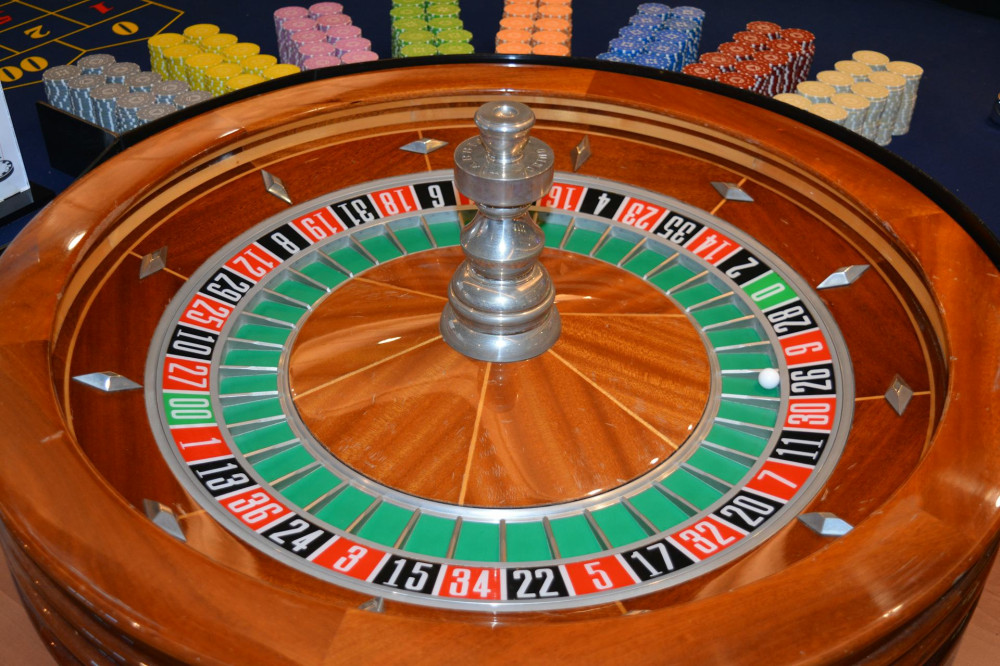
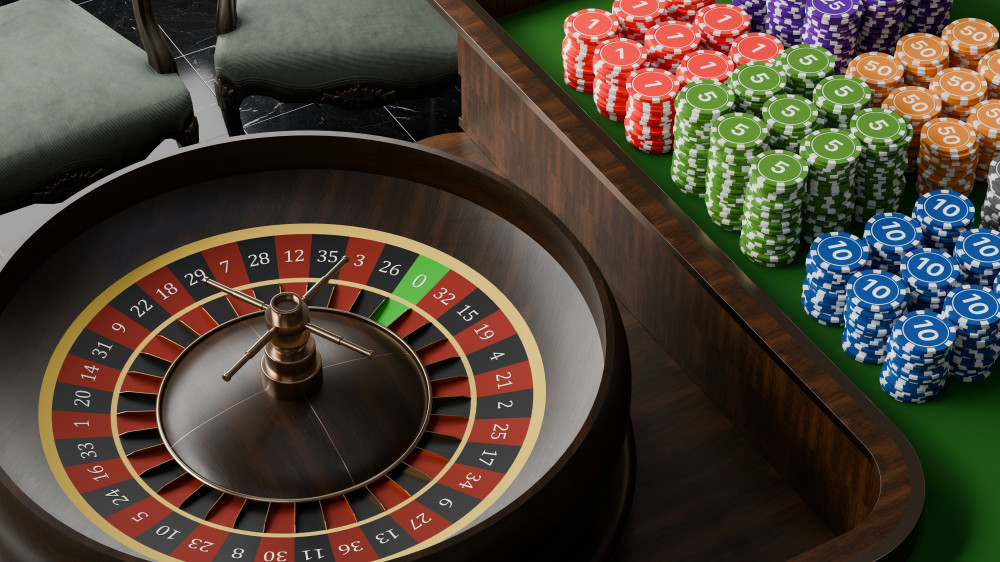
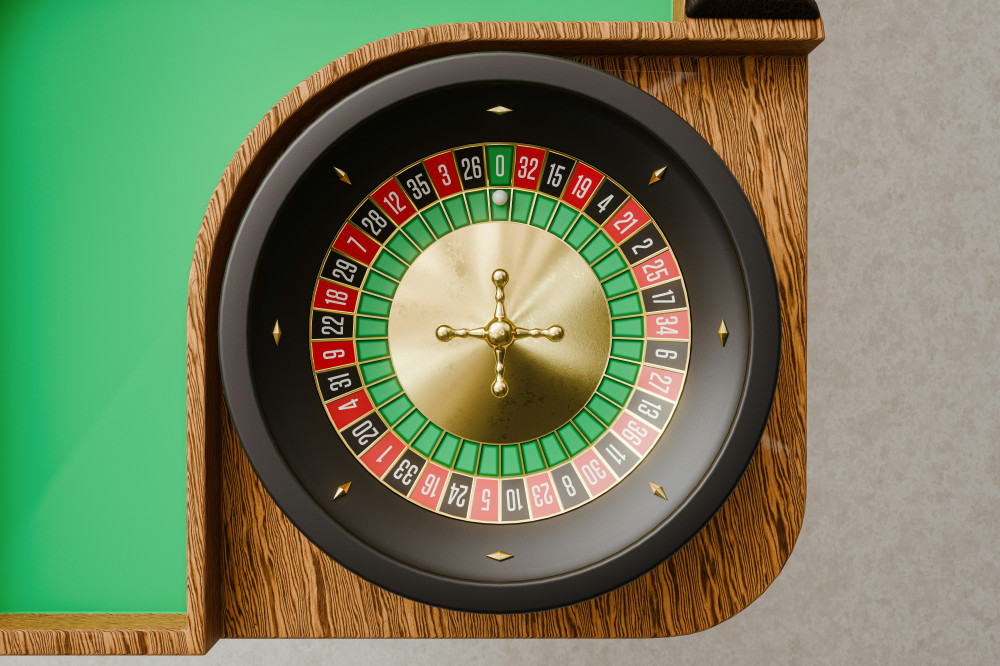
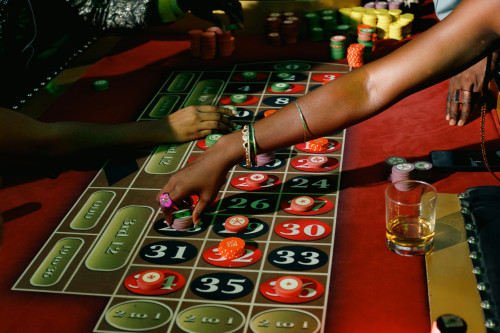
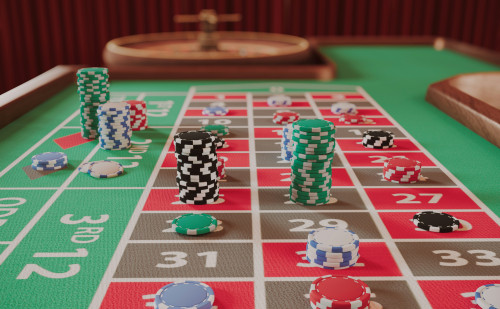
A standard American roulette wheel has 38 pockets: the numbers 1 through 36, plus a single zero (0) and a double zero (00). The European version, which is more common in casinos outside the U.S., has only 37 pockets, with a single zero. Each number has the same chance of being hit, and every spin is independent of the last—meaning the ball has no memory.
That means the probability of the ball landing on any specific number in American roulette is 1 in 38, or about 2.63%. In European roulette, the chance is slightly higher—1 in 37, or about 2.70%.
The House Edge – Why the Casino Always Wins in the Long Run
Roulette is designed so that the casino has a small but consistent advantage. This edge comes from the zero (and double zero). When you bet on red or black, you’re covering 18 out of 38 pockets—but not the zeros. As a result, the probability of winning a color bet in American roulette is 47.37%, not 50%. That small difference is enough for the casino to profit over time.
The house edge in American roulette is about 5.26%, while in European roulette it’s around 2.70%. In practical terms, that means that for every $100 wagered, the casino expects to keep roughly $5.26 or $2.70 in the long run. Individual players may win or lose in the short term, but statistically, the house always comes out ahead.
Læs også:
Myths and Misconceptions
Roulette is surrounded by myths. One of the most common is that you can “predict” outcomes by spotting patterns—like thinking red is “due” after a streak of black. This is known as the gambler’s fallacy. Each spin is independent, and the odds don’t change based on what happened before.
Another widespread belief is that betting systems—such as the Martingale strategy, where you double your bet after each loss—can guarantee a win. In reality, these systems increase the risk of large losses, since they assume unlimited funds and no table limits, neither of which exist in real casinos.
Playing Responsibly – Know Your Limits
Roulette can be entertaining when viewed as a game of chance, not a way to make money. The key is to play responsibly:
- Set a budget before you start, and stick to it.
- Treat winnings as luck, not skill.
- Take breaks, and stop when the fun fades.
- Don’t chase losses—it rarely ends well.
Most U.S. casinos, both in-person and online, offer responsible gaming tools, such as deposit limits, time reminders, and self-exclusion options. These tools exist to help players stay in control—use them if you need to.
If gambling ever stops being fun or starts to feel like a problem, help is available. In the U.S., you can contact the National Problem Gambling Helpline at 1-800-GAMBLER for free, confidential support.
Roulette as a Game of Mathematics
Understanding probability in roulette isn’t about finding a secret strategy—it’s about recognizing the game for what it is: a mathematical system governed by chance and statistics. When you know the odds, you can make more informed choices and enjoy the game without unrealistic expectations.
In the end, roulette is a game of luck, not control. The best strategy isn’t to try to beat the system, but to play for the experience—and to know when it’s time to walk away.
Læs også: