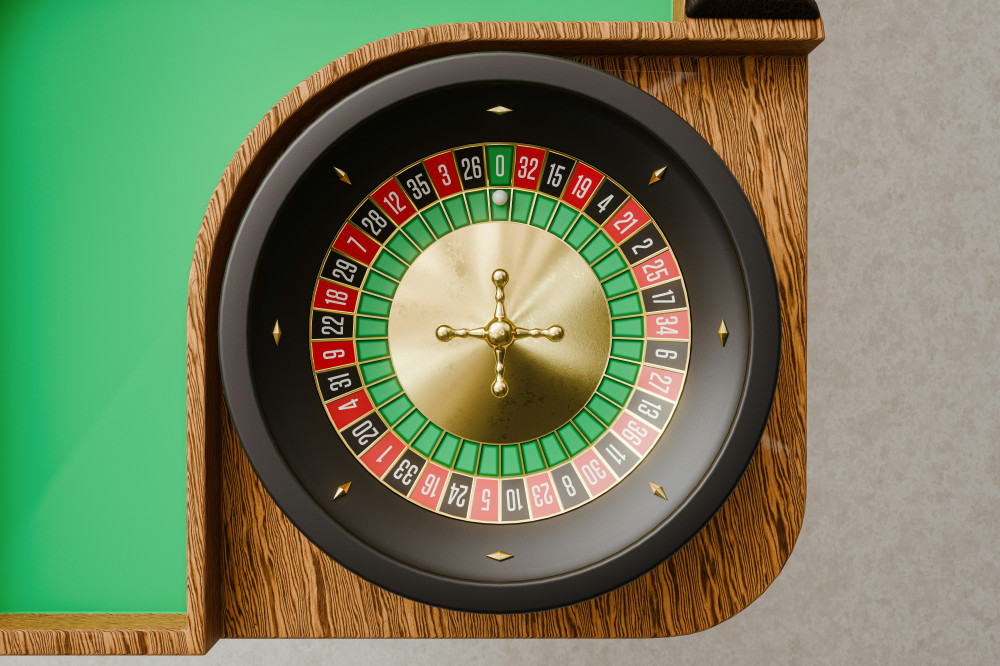
Roulette and Elegance: The Game’s Journey to Becoming a Symbol of Upper-Class Culture

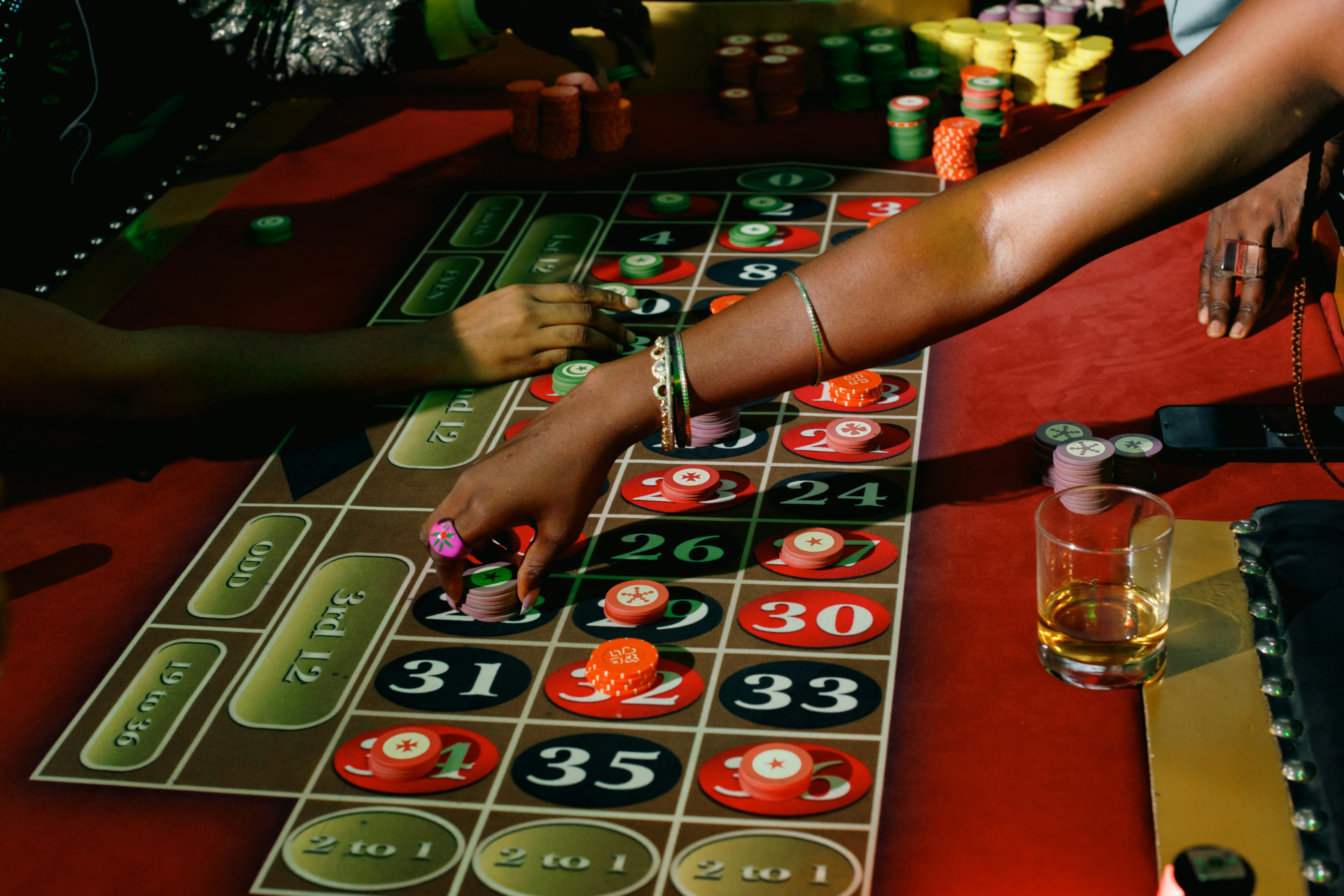
Roulette and Elegance: The Game’s Journey to Becoming a Symbol of Upper-Class Culture
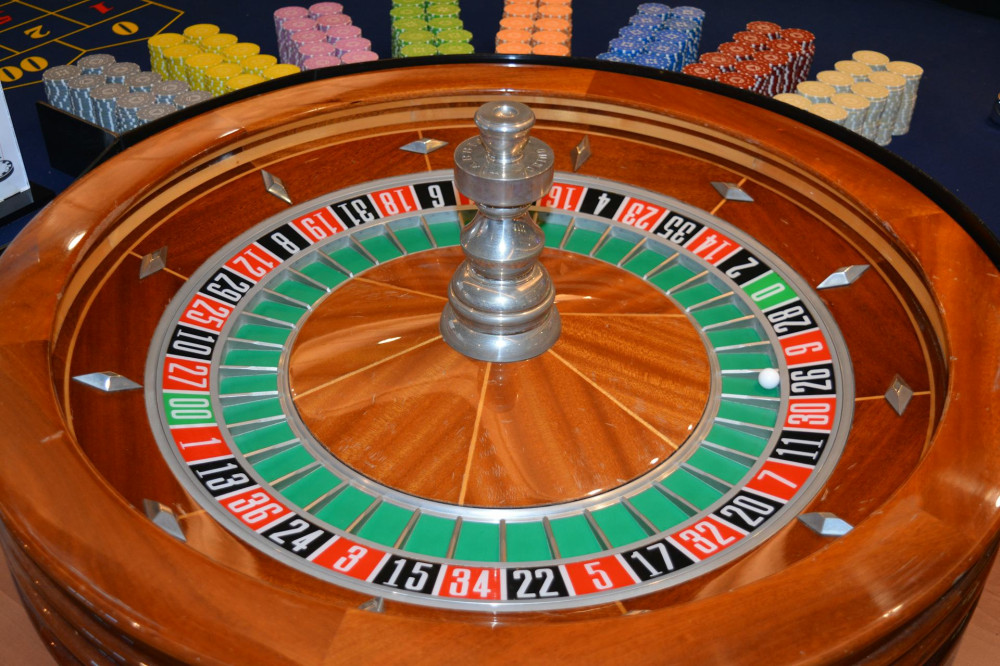
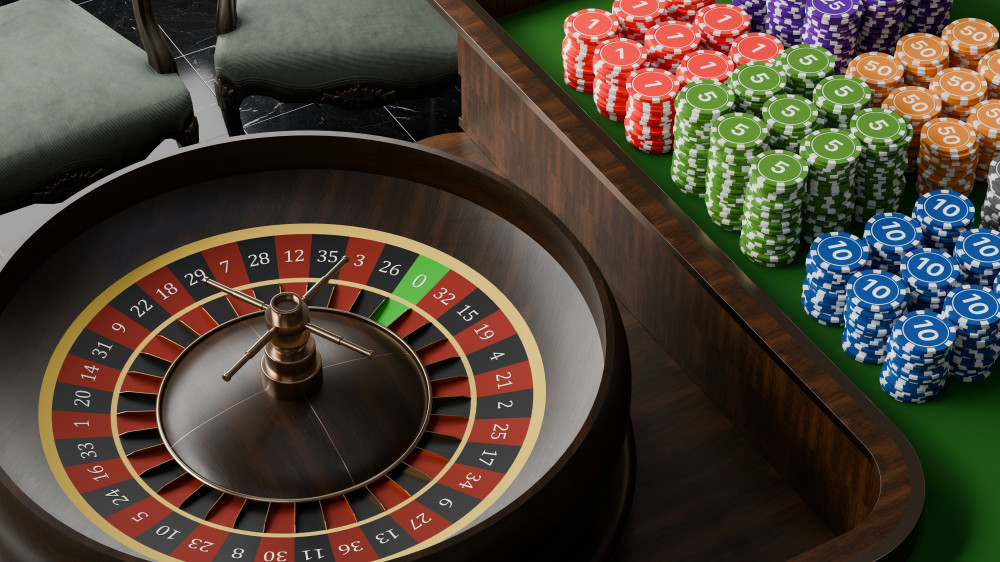
Roulette today evokes images of glittering casino floors, tuxedos, and champagne flutes clinking under chandeliers. Yet behind this aura of sophistication lies a story that stretches from 18th-century France to the grand casinos of Monte Carlo and the neon lights of Las Vegas. The game’s transformation from a mathematical curiosity into a global emblem of luxury reveals much about how society has linked chance, wealth, and style.
From Scientific Curiosity to Aristocratic Pastime
The origins of roulette trace back to the 17th century, when French mathematician and physicist Blaise Pascal attempted to design a perpetual motion machine. His experiment failed in its original purpose but produced a spinning wheel that would later inspire one of the world’s most iconic games of chance.
By the 18th and 19th centuries, roulette had found its place in the salons of Paris, where the French elite sought refined entertainment. The game’s blend of simplicity and suspense—easy to learn, impossible to master—made it irresistible. It was not just about winning; it was about the performance of playing, the poise of placing a bet, and the thrill of watching the wheel decide one’s fate.
Monte Carlo: The Birthplace of Casino Glamour
Roulette’s association with elegance reached its peak in the late 1800s with the rise of Monte Carlo. The tiny principality of Monaco, struggling financially, turned to gambling as a means of attracting Europe’s wealthy travelers. The result was the Casino de Monte-Carlo, a palace of marble and mirrors that quickly became a playground for aristocrats, artists, and industrial magnates.
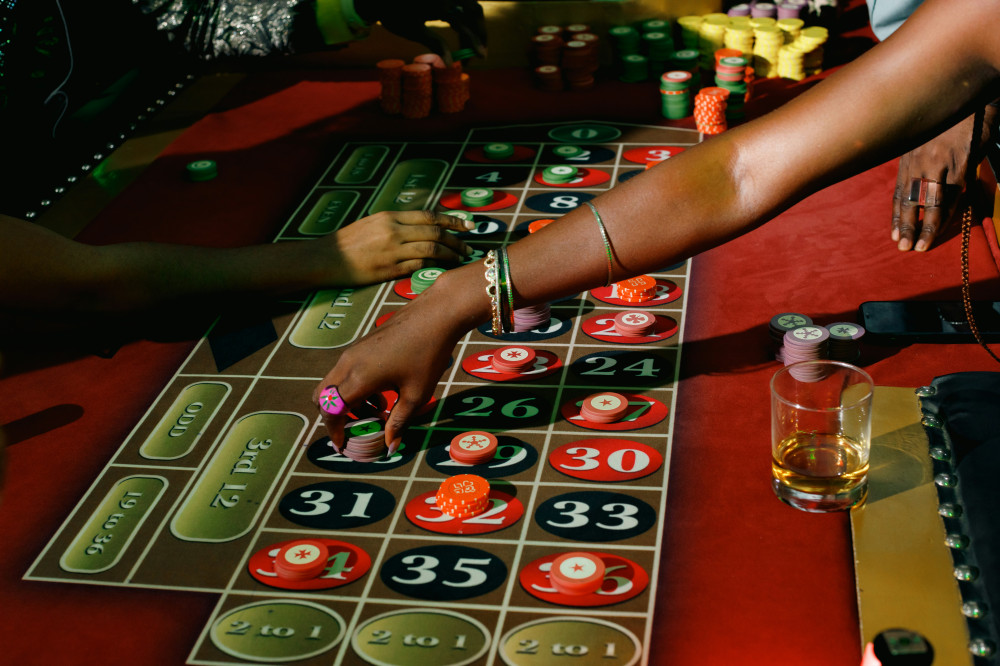
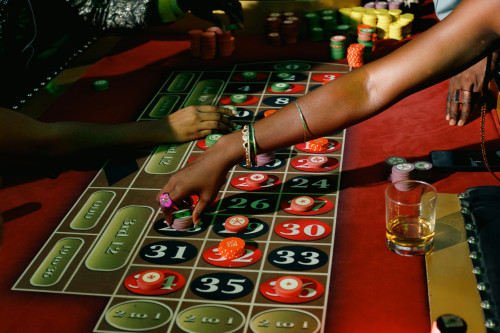
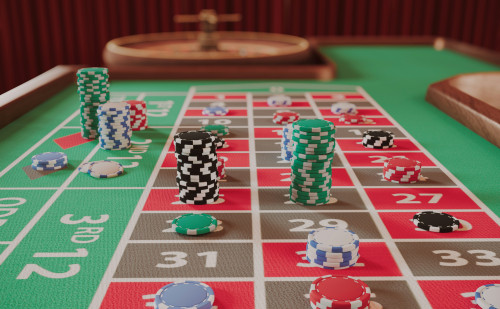
In Monte Carlo, roulette was more than a game—it was a social ritual. The roulette table became a stage where etiquette, fashion, and fortune intertwined. To be seen at the wheel was to signal one’s sophistication and daring. The game’s hypnotic spin and the croupier’s calm voice created an atmosphere of ceremony, turning chance into art.
Roulette in American Culture
When roulette crossed the Atlantic in the 19th century, it adapted to a new audience. In New Orleans, riverboat casinos introduced the game to American gamblers, and by the time Las Vegas rose from the desert in the 20th century, roulette had become a fixture of the American casino experience. Though blackjack and poker often took center stage, roulette retained its mystique—a game for those who valued style as much as stakes.
Hollywood helped cement this image. From classic black-and-white films to modern blockbusters, the roulette wheel became a cinematic shorthand for risk, seduction, and control. It symbolized the fine line between fortune and ruin, and the cool composure of those who dared to spin it.
From Casino Floors to Digital Screens
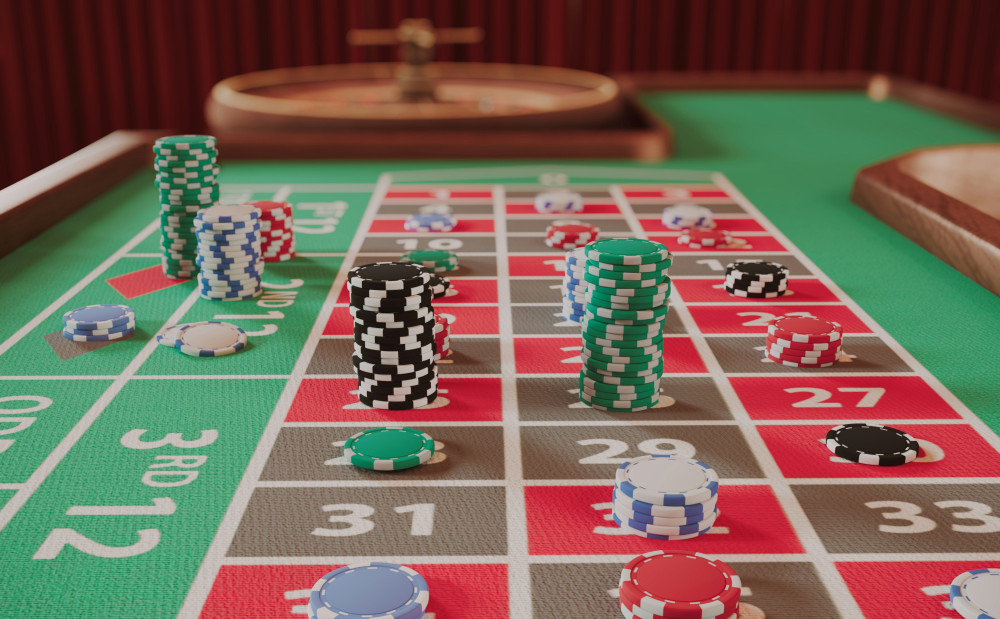
In the 21st century, roulette has transcended the casino floor. Online platforms now bring the game to players around the world, complete with live dealers, velvet backdrops, and the familiar sound of the ball clattering into place. Even in digital form, roulette retains its aura of exclusivity. The experience is designed not just to replicate the game, but to evoke the atmosphere of luxury that has always surrounded it.
This fusion of tradition and technology has allowed roulette to remain a timeless symbol of elegance. Whether played in a Monte Carlo salon, a Las Vegas resort, or on a smartphone screen, the game continues to represent the allure of chance wrapped in sophistication.
Læs også:
A Mirror of Society
Roulette’s journey mirrors broader social changes. Once reserved for Europe’s aristocracy, it is now accessible to anyone with curiosity and a bit of luck. Yet it still carries the echoes of its origins—a reminder that elegance is as much about attitude as it is about wealth.
To play roulette is to participate in a centuries-old ritual that celebrates both fate and finesse. It is not merely a wager on a number, but a dance with chance itself—an enduring symbol of how humanity finds beauty, excitement, and meaning in the spin of a wheel.
Læs også: