Bonus Structures and Probability – How They Affect Your Odds in Roulette

Bonus Structures and Probability – How They Affect Your Odds in Roulette
Roulette is one of the most iconic casino games — a blend of suspense, chance, and a touch of strategy. While the spinning wheel is governed by randomness, there are still factors that can influence how long you play and how much value you get from your experience. One of the most important is the bonus system and its terms. Understanding how bonus structures and probability interact can make a big difference in how effectively you play.
What Is a Bonus Structure?
When you play roulette online at U.S.-licensed casinos, you’ll often encounter various types of bonuses — welcome bonuses, deposit matches, cashback offers, or loyalty rewards. A bonus structure defines how these offers are built: how much you receive, how many times you must wager the bonus before withdrawing, and which games count toward those requirements.
For example, a 100% deposit match up to $1,000 might sound appealing, but if roulette only contributes 10% toward the wagering requirement, you’ll need to bet far more than you might expect before you can cash out. That’s why it’s essential to read the fine print — not just to understand the rules, but to determine whether the bonus truly benefits your play.
Probability and the House Edge
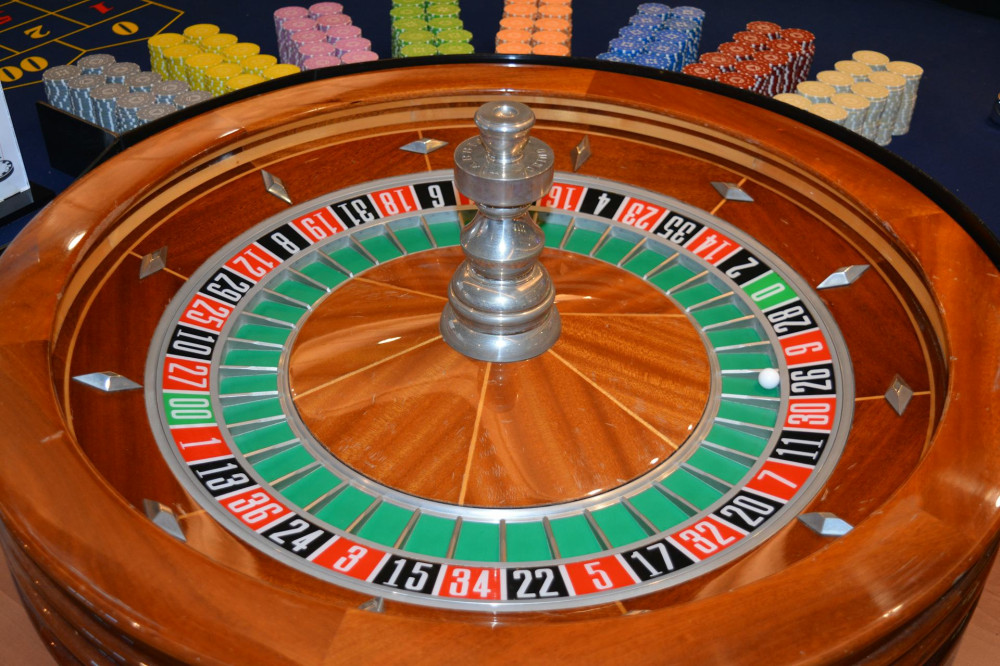
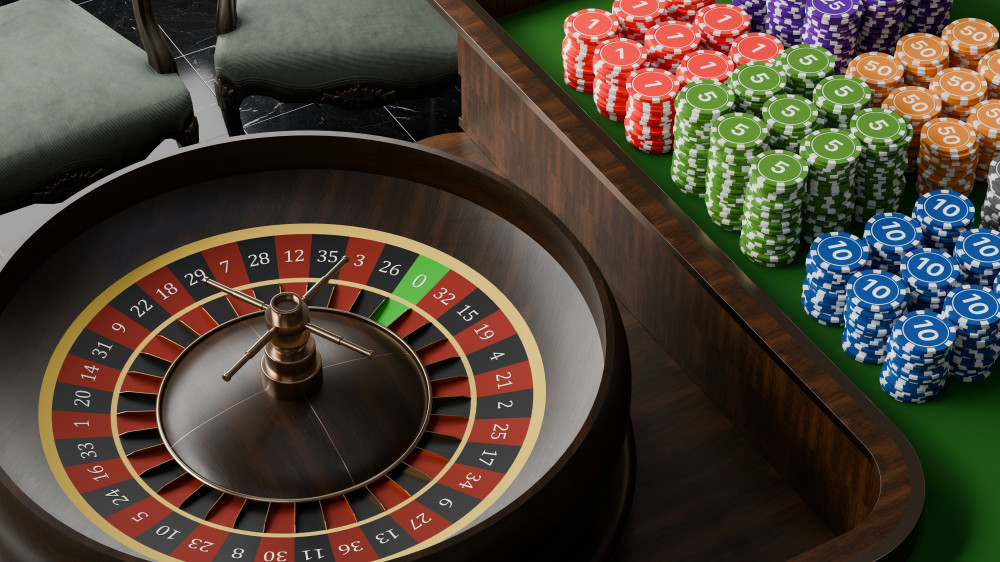
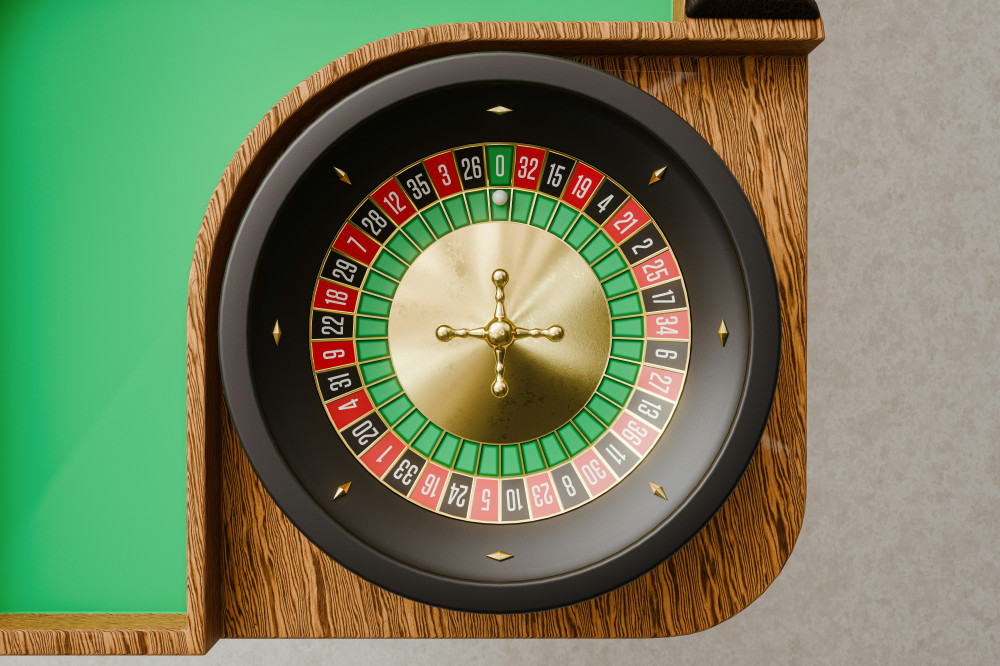
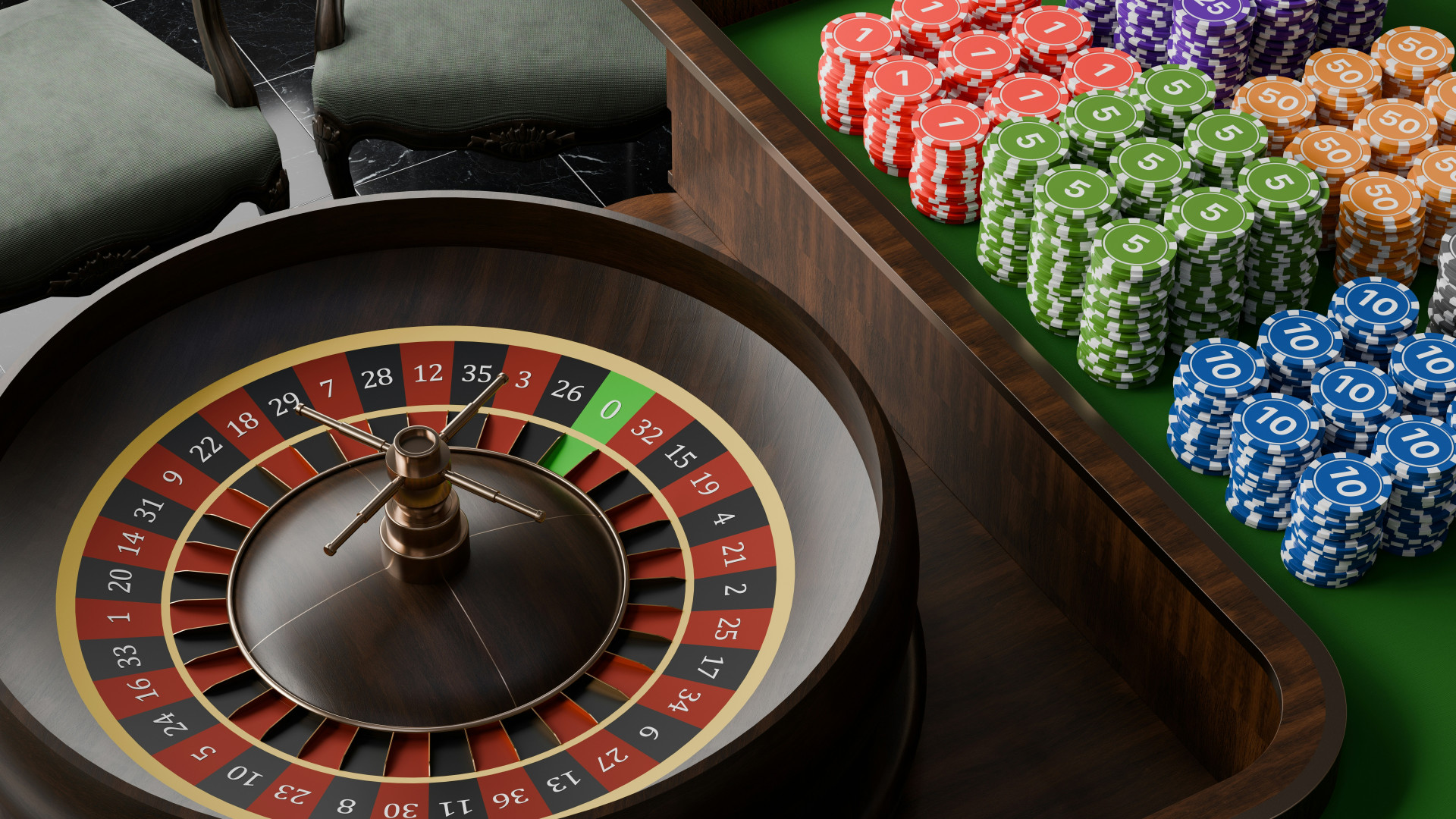
Roulette is a game of fixed probabilities. Whether you play European roulette (with one zero) or American roulette (with two zeros), the house always has an edge. In European roulette, the house edge is 2.7%, while in American roulette it rises to 5.26%. This means that for every $100 you wager, you can expect to lose an average of $2.70 or $5.26 over time.
No bonus can change the underlying probabilities of the game — but it can affect how long you can play and how many spins you get. A bonus effectively acts as extra bankroll, extending your playtime. The longer you play, the more outcomes you experience, and the closer your results will align with statistical averages.
How Bonuses Influence Your Strategy
Even though roulette is fundamentally a game of chance, you can still think strategically about how to use your bonus. Here are a few key considerations:
- Choose European roulette – The single-zero wheel offers better long-term odds than the American version.
- Check wagering contributions – If roulette only counts partially toward wagering requirements, it might be smarter to use bonuses on games that count fully.
- Play with smaller bets – This stretches your bankroll and gives you more spins to meet wagering conditions.
- Avoid risky betting systems like the Martingale, where you double your bet after each loss. These can quickly lead to large losses, especially when bonus funds are involved.
A bonus should be viewed as a way to explore the game — not as a guaranteed path to profit.
The Psychological Factor
Bonuses can also influence your behavior. When you’re playing with “free” money, you might take risks you wouldn’t normally take. That can be exciting, but it can also lead to faster losses. Being aware of this psychological effect is part of responsible gaming.
A good rule of thumb is to treat bonuses as an added experience, not a shortcut to winning. Roulette is designed as entertainment, and the odds will always favor the house in the long run.
Getting the Most Out of Your Bonus
If you want to use bonuses effectively when playing roulette, keep these simple principles in mind:
- Always read the terms – especially how much roulette contributes to wagering requirements.
- Compare offers – some U.S. online casinos have more favorable rules for table games than others.
- Set a budget – decide in advance how much you’re willing to deposit and play with, including bonus funds.
- Watch the clock – many bonuses expire within a few days, so plan your playtime accordingly.
By combining an understanding of probability with a realistic approach to bonuses, you can play smarter — and enjoy the experience more, regardless of the outcome.
Læs også:
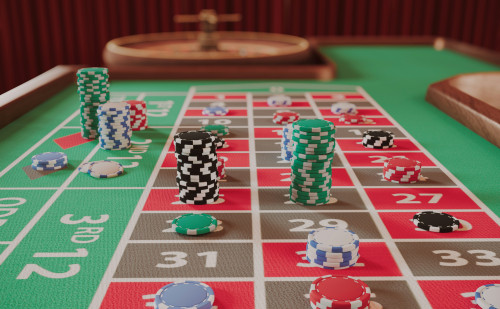
Roulette Is About Probability – Not Just Luck
Roulette will always be a game ruled by chance. But by understanding how bonus structures work and how probabilities shape your odds, you can make more informed decisions. It’s not about beating the system — it’s about playing with insight and enjoyment.
When you know both the mathematical and practical rules, the game becomes not only more exciting but also more transparent. And that’s what ultimately makes roulette such a timeless thrill.
Læs også: