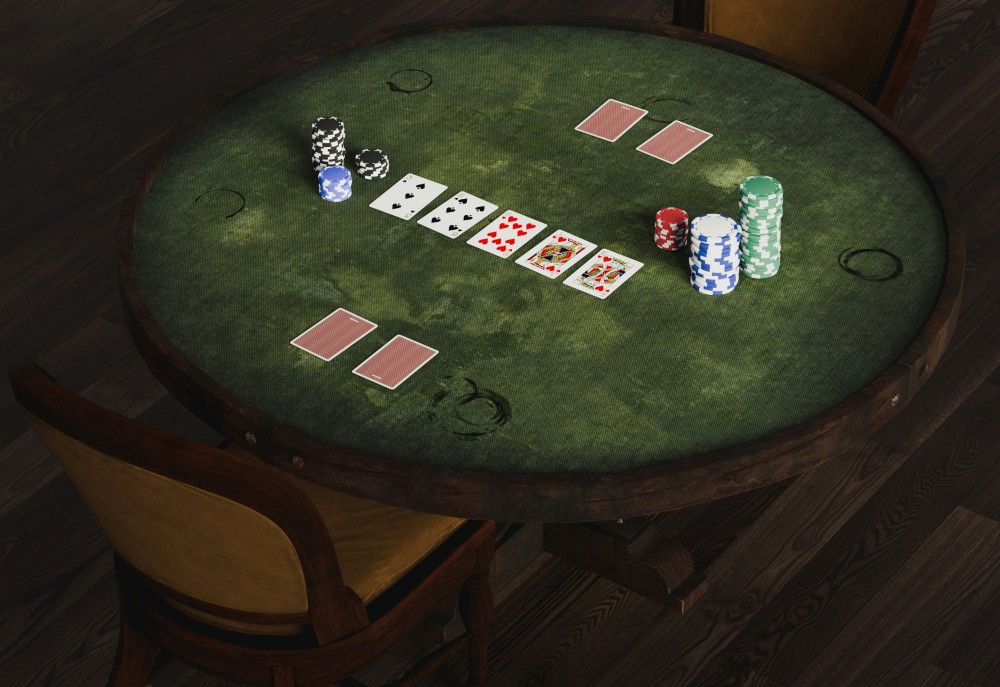
Set Realistic Goals for Your Bankroll and Track Your Progress


Set Realistic Goals for Your Bankroll and Track Your Progress
Playing poker isn’t just about cards and strategy—it’s also about discipline and financial management. Your bankroll, the money you’ve set aside specifically for poker, is the foundation of your game. Without a clear plan for how to manage it, you can quickly lose track of your results—or worse, your entire balance. Here’s a guide to setting realistic goals for your bankroll and tracking your progress in a way that strengthens both your performance and your enjoyment of the game.
What Is a Bankroll—and Why Does It Matter?
Your bankroll is the amount of money you dedicate to poker and are willing to risk without affecting your personal finances. It acts as a financial cushion against the game’s natural swings. Even the best players experience losing streaks, and a solid bankroll ensures you can keep playing without letting emotions take over.
A healthy bankroll gives you the freedom to play your best game because you’re not pressured by short-term results. Think of poker as a marathon, not a sprint—the goal is to stay in the game long enough to let your skill and discipline pay off.
Set Realistic Goals for Your Bankroll
When setting goals for your bankroll, start with your current situation and ambitions. Ask yourself:
- How much time can I realistically dedicate to poker?
- What games and stakes will I play?
- How much risk am I comfortable taking?
A realistic goal might be to double your bankroll over six months—not to go pro in three. Small, achievable milestones help you stay motivated and make it easier to adjust along the way.
Example Goals
- Short term (1–3 months): Play 5,000 hands per month and maintain a steady win rate.
- Medium term (3–6 months): Build your bankroll to a level that allows you to move up in stakes.
- Long term (6–12 months): Grow your bankroll to withstand larger swings and give yourself the freedom to choose games based on preference, not necessity.
Bankroll Management—Your Safety Net
One of the most important principles in poker is bankroll management. It’s about choosing stakes that fit your bankroll so you don’t go broke due to normal variance.
A common rule of thumb is to have at least 20–30 buy-ins for cash games and 50–100 buy-ins for tournaments. That means if you play $10 tournaments, your bankroll should be at least $500–$1,000. It might sound conservative, but it gives you stability and peace of mind.
If you hit a downswing, move down in stakes instead of chasing losses. That’s a sign of discipline, not weakness.
Track Your Progress Systematically
Keeping records of your results is one of the most underrated habits in poker. It gives you insight into where you’re winning or losing money and helps you identify patterns in your play.
You can use a simple spreadsheet or a tracking app that automatically records your hands and results. Note details such as:
- Date and game type
- Number of hands or tournaments
- Profit/loss
- Observations (e.g., tilt, fatigue, focus)
Review your data regularly to adjust your strategy and see whether you’re moving toward your goals. Tracking your progress also makes improvement tangible—and that’s highly motivating.
Adjust Your Goals Along the Way
Poker is constantly evolving, and so are you as a player. Your goals shouldn’t be static. If you reach your milestones faster than expected, raise your ambitions. If you hit a rough patch, scale back and focus on learning rather than growth.
The key is to keep your goals realistic and aligned with your current situation. It’s better to take small, steady steps in the right direction than to set unrealistic targets that lead to frustration.
Keep Your Mind in Check—the Hidden Factor
Even with a solid bankroll and clear goals, your mindset can be your biggest challenge. Losses can feel personal, and wins can lead to overconfidence. Tracking your progress also means understanding your emotional responses.
Develop routines that help you stay calm: take breaks when you feel frustrated, and review your sessions objectively. Poker rewards patience and self-awareness—not impulsiveness.
Læs også:




A Plan That Lasts
Setting realistic goals for your bankroll and tracking your progress is ultimately about creating structure and awareness in your game. It doesn’t just make you a better poker player—it makes you a more disciplined decision-maker.
When you know where you stand and where you’re headed, poker stops being a game of luck and becomes a game of strategy, patience, and personal growth.
Læs også: