Fair Play at the Poker Table: How the Rules Protect Players from Cheating


Fair Play at the Poker Table: How the Rules Protect Players from Cheating
Poker is a game where luck and skill intertwine—but trust and fair play are what truly keep it alive. Whether you’re sitting at a table in Las Vegas or playing from your laptop at home, every player deserves to know that the game is honest. That’s why poker, both live and online, is governed by a detailed set of rules and security measures designed to protect players from cheating and preserve the integrity of the game.
Why Fair Play Is the Foundation of Poker
Unlike many casino games, poker pits players against each other rather than against the house. This makes fairness essential: any form of cheating doesn’t just break the rules—it directly harms other players. Fair play is about more than compliance; it’s about maintaining the mutual respect that makes the game possible.
Once trust disappears, poker loses its meaning. That’s why casinos, tournament organizers, and online platforms all share the responsibility of detecting and preventing cheating before it can damage the game.
Common Forms of Cheating—and How They’re Caught
Cheating in poker can take many forms, but the most common include:
- Collusion – when two or more players share information or coordinate their play to gain an unfair advantage.
- Marked cards – physical alterations that allow a player to identify certain cards.
- Card or chip manipulation – attempts to swap cards or alter chip stacks during play.
- Online cheating – using software to analyze opponents in real time or operating multiple accounts that secretly cooperate.
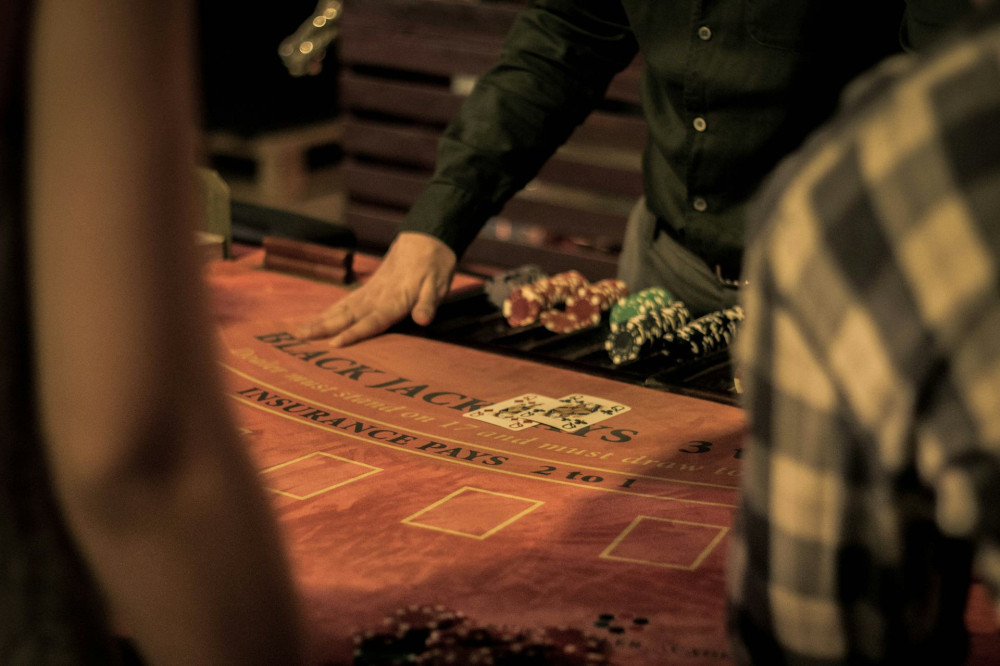
In live games, dealers, floor managers, and surveillance cameras monitor every table. Casinos in the U.S. invest heavily in security teams trained to spot suspicious behavior. Online, advanced algorithms track millions of hands, flagging unusual patterns such as players who consistently avoid betting against each other or who share identical win rates.
Tournament Rules and Oversight
Professional poker tournaments follow strict regulations, often based on standards set by the Tournament Directors Association (TDA). These rules cover everything from how cards are dealt to how disputes are resolved.
Dealers and tournament directors have the authority to intervene if cheating is suspected. In serious cases, players can be disqualified, and prize money can be forfeited. These consequences send a clear message: cheating doesn’t pay.
Online Poker: Technology as a Shield
As poker has moved online, technology has become the first line of defense. Licensed U.S. poker sites use encryption, random number generators (RNGs), and identity verification to ensure that every hand is fair and every player is who they claim to be.
Automated systems continuously analyze gameplay to detect collusion, bot use, or other irregularities. When suspicious activity is found, accounts can be suspended and winnings frozen while investigations take place. For players, this means peace of mind—provided they stick to regulated, legal platforms.
Læs også:



The Player’s Own Responsibility
Even with strong rules and technology, fair play also depends on the players themselves. Respect for the game and for opponents is part of poker’s culture. Every player can help maintain integrity by:
- Avoiding discussion of hands while they’re still in play.
- Refraining from using prohibited software or outside assistance.
- Reporting suspicious behavior to tournament staff or online support teams.
In poker, reputation matters. Among professionals, honesty and respect are as valuable as chips on the table. Trust, once lost, is hard to win back.
When Rules Create Confidence and Respect
The many rules and safeguards in poker might seem strict, but they exist to protect what makes the game so compelling: the human element. When everyone knows the playing field is level, the focus can stay on strategy, psychology, and the thrill of competition—not on suspicion.
Fair play isn’t just an ideal—it’s the foundation that allows poker to remain a game where skill, intuition, and courage are rewarded, and where every player has a genuine chance to win.
Læs også: