Digital Poker: New Platforms, New Ways to Play

Digital Poker: New Platforms, New Ways to Play
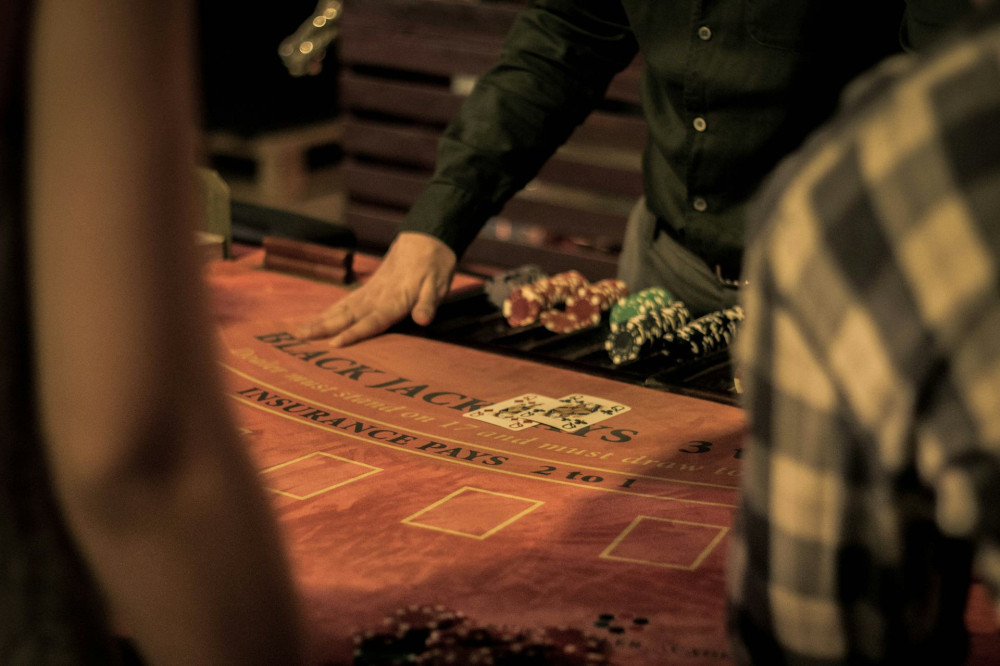
For generations, poker has been a game of face-to-face tension, smoky rooms, and the sound of chips clinking across green felt. But as technology has evolved, so has the game. Today, poker has moved from casinos and home games to smartphones, tablets, and laptops. Digital poker isn’t just a virtual version of the classic—it’s become a world of its own, with new platforms, social features, and innovative ways to play.
From Cards and Chips to Clicks and Code
Online poker first appeared in the late 1990s, but the past decade has seen explosive growth. Faster internet, mobile apps, and secure payment systems have made it easier than ever to play from anywhere—whether you’re at home, on a lunch break, or waiting for a flight.
Modern platforms offer everything from traditional Texas Hold’em to fast-paced “sit & go” tournaments and creative variants that change the rules mid-game. Many players are drawn to the flexibility: you can play a few hands in minutes or join a global tournament that lasts for hours.
Artificial intelligence has also reshaped the game. Some platforms use AI to detect cheating and ensure fair play, while others offer training tools that analyze your strategy and suggest improvements. The result is a more sophisticated, data-driven poker experience.
A New Social Dimension
Poker has always been about reading people as much as reading cards, and digital poker has found new ways to keep that social element alive. Many platforms now include chat features, private tables for friends, and virtual clubs where players can meet regularly.
Streaming has also transformed the poker community. On platforms like Twitch and YouTube, players broadcast their games live, sharing strategies, reactions, and commentary. Viewers can watch, learn, and interact in real time—turning poker into both a spectator sport and a learning experience.
For many, digital poker is no longer just about winning money. It’s about community, entertainment, and the thrill of competition.
The Smartphone Revolution
The rise of mobile gaming has changed poker forever. What once required a desktop computer and a stable connection can now be done with a few taps on a phone. The best poker apps are sleek, fast, and designed for multitasking—allowing players to switch between tables or tournaments in seconds.
This accessibility has made poker more inclusive, but also more impulsive. With the game always within reach, it takes discipline to manage time and spending. For some, poker has become a casual pastime; for others, it’s a daily habit that requires careful balance.
Læs også:




Tournaments and the E-Sports Connection
Digital poker is increasingly blending with the world of e-sports. Massive online tournaments attract thousands of players from around the globe, with prize pools reaching into the millions. Professional players have built entire careers online, and major events are now streamed with live commentary, statistics, and fan interaction—just like e-sports competitions.
This evolution has brought poker to a younger, more tech-savvy audience, one that values digital competition and fast-paced formats.
Playing Responsibly in a Digital Age
With greater accessibility comes greater responsibility. Many platforms now promote responsible gaming through tools that let players set limits on time and spending, as well as resources for those struggling with gambling addiction.
For players, the key is balance—enjoying the excitement of the game while staying in control. Digital poker can be a fun, challenging hobby, but it’s important to play mindfully.
The Future of Digital Poker
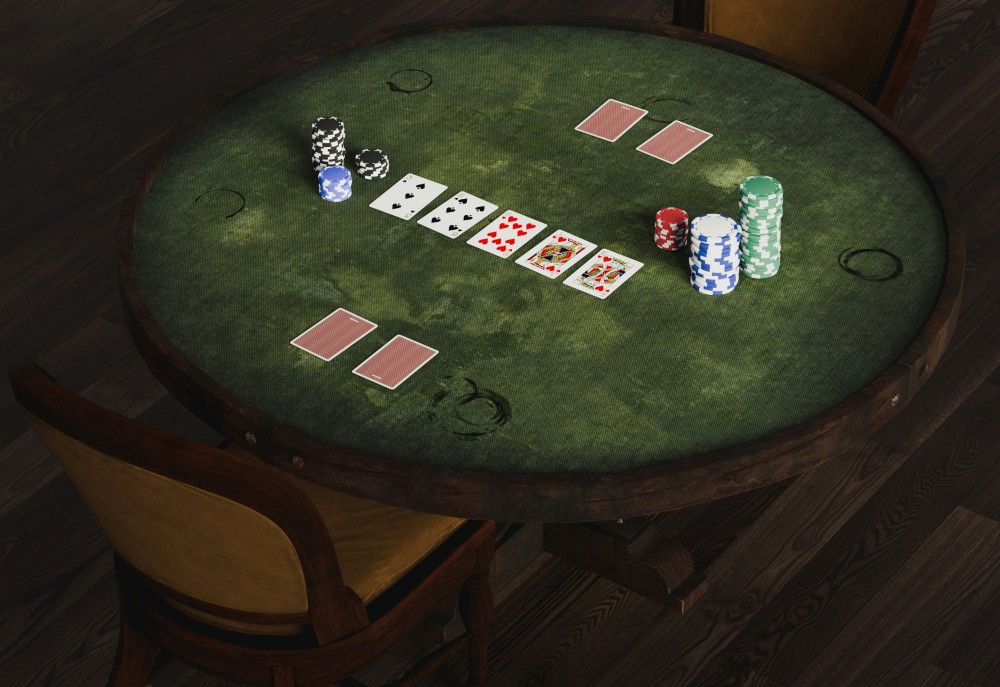
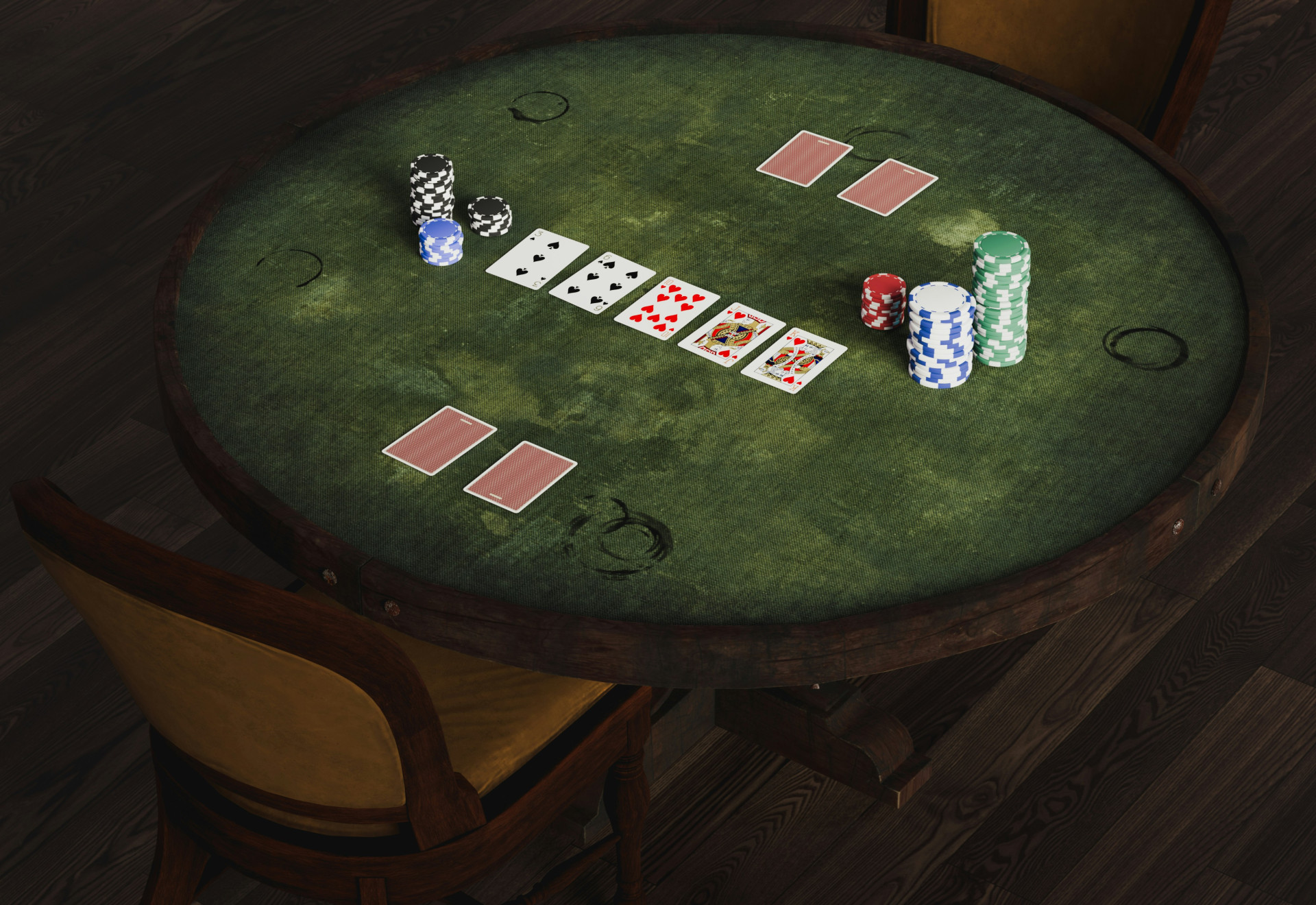
The next frontier for poker is likely to be even more immersive. Virtual reality (VR) and augmented reality (AR) are already being tested, allowing players to sit around a virtual table, read avatars’ expressions, and experience the atmosphere of a live game from home.
Blockchain technology is also making its way into the poker world, offering new levels of transparency and security for transactions and game fairness.
Digital poker is no longer just a digital copy of a classic—it’s a constantly evolving ecosystem where technology, strategy, and social connection come together. For players in the U.S. and beyond, the game’s future looks as exciting as its past.
Læs også: