Baccarat Unveiled: Why the Game Is More About Luck Than Skill

Baccarat Unveiled: Why the Game Is More About Luck Than Skill
For decades, baccarat has carried an air of mystery and sophistication. From James Bond movies to high-limit tables in Las Vegas, the game is often associated with elegance, strategy, and exclusivity. Yet behind the glamorous image lies a simple truth: baccarat is driven far more by luck than by skill. In this article, we’ll explore why this classic casino game, despite its refined reputation, is one of the most chance-based games you can play.
A Simple Game With Few Decisions
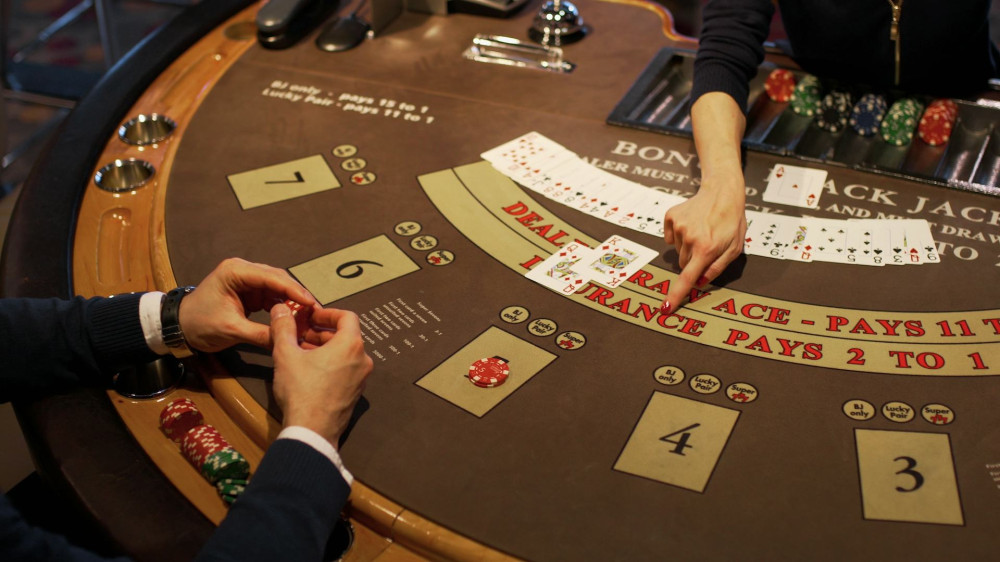
At first glance, baccarat can seem complex, but its rules are surprisingly straightforward. The goal is to bet on which hand—the player’s or the banker’s—will come closest to a total of nine. Cards have fixed values, and there are strict rules that determine when a third card is drawn.
Once you’ve placed your bet, your role is essentially over. Unlike blackjack, where you can choose to hit, stand, or double down, baccarat follows a predetermined set of actions. The dealer handles everything according to the rules, leaving no room for player decisions. This makes the game fast-paced—but also entirely dependent on chance.
The Myth of Strategy
Many players try to find patterns in baccarat, believing they can predict when the banker or player will win next. Casinos even provide scorecards so players can track results and look for trends. But this is more illusion than insight.
Each round of baccarat is independent of the last. No strategy can alter the underlying probabilities. Statistically, the banker’s hand wins slightly more often than the player’s, but that small edge is already factored into the house advantage. Trying to “read” the game is more a ritual of entertainment than a path to consistent success.
Why Luck Rules the Table
What makes baccarat so luck-driven is the absence of meaningful choices. Once your bet is placed, the outcome is entirely in the hands of the cards. Experience, intuition, or mathematical skill can’t change the odds in any significant way.
Even players who use betting systems like the Martingale or Paroli can’t overcome the house edge. These systems might create short-term excitement or occasional wins, but over time, the randomness of the game always prevails. In baccarat, luck isn’t just part of the game—it is the game.
The Allure of Chance
If baccarat is so dependent on luck, why does it remain so popular? The answer lies in its atmosphere and simplicity. The game is elegant, fast, and easy to learn. You can sit down, place a bet, and instantly be part of the action without needing to memorize complex strategies.
For many players, that’s the appeal. Baccarat offers the thrill of uncertainty wrapped in a sense of sophistication. It’s a game where anyone can win—or lose—on any hand, and that unpredictability is part of its charm.
Læs også:


Playing Smart—Without Chasing Illusions
Even though baccarat is a game of luck, you can still play wisely. The key is not to search for a secret formula but to understand the game’s nature and manage your expectations.
- Bet on the banker – it has a slightly better chance of winning.
- Avoid the tie bet – it offers high payouts but very low odds.
- Set a budget – and stick to it. The game’s quick pace can make time (and money) disappear fast.
- Treat it as entertainment – not as a way to make money.
By accepting that baccarat is a game of chance, you can enjoy it for what it is: a stylish, fast-moving form of entertainment where luck takes center stage.
Conclusion: Elegance Without Control
Baccarat combines simplicity with sophistication, but beneath its polished surface lies a game where players are passengers, not pilots. That blend of elegance and unpredictability is what keeps baccarat timeless—but it’s also a reminder that in this game, control is an illusion, and luck always has the final say.
Læs også: