The Basics of Poker: The Most Popular Poker Variants Explained

The Basics of Poker: The Most Popular Poker Variants Explained
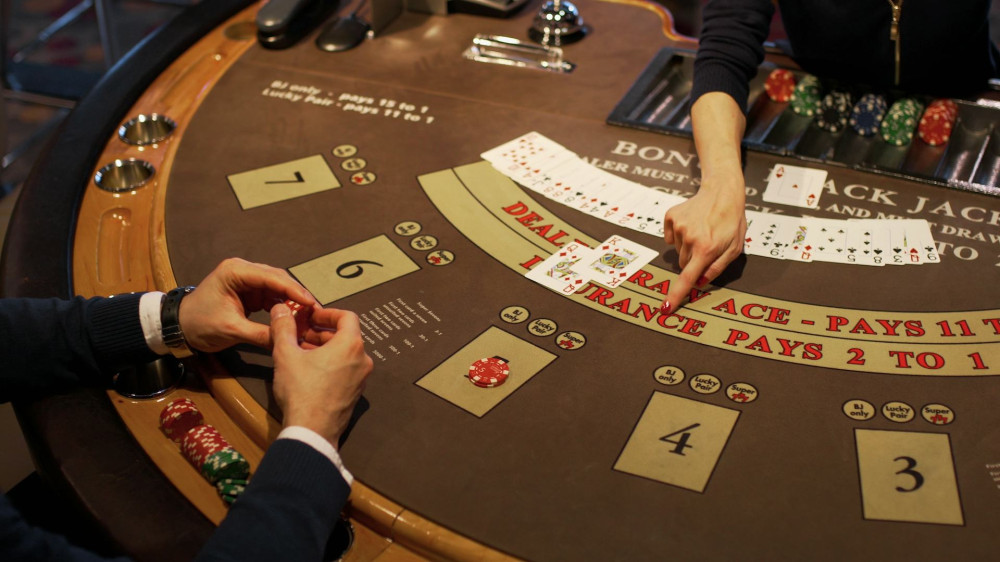
Poker is one of the most iconic card games in the world — a blend of luck, psychology, and strategy that has captivated players for generations. Whether you’re playing a friendly home game on a Friday night or competing in a major tournament in Las Vegas, poker is about reading situations, managing risk, and knowing when to bet — and when to fold. Here’s a guide to the fundamentals of poker and an overview of the most popular variants played across the United States.
The Core Principles of Poker
While there are many different poker variants, they all share a few essential principles. The goal is to win chips or money by having the best hand — or by convincing your opponents that you do.
Hands and Rankings
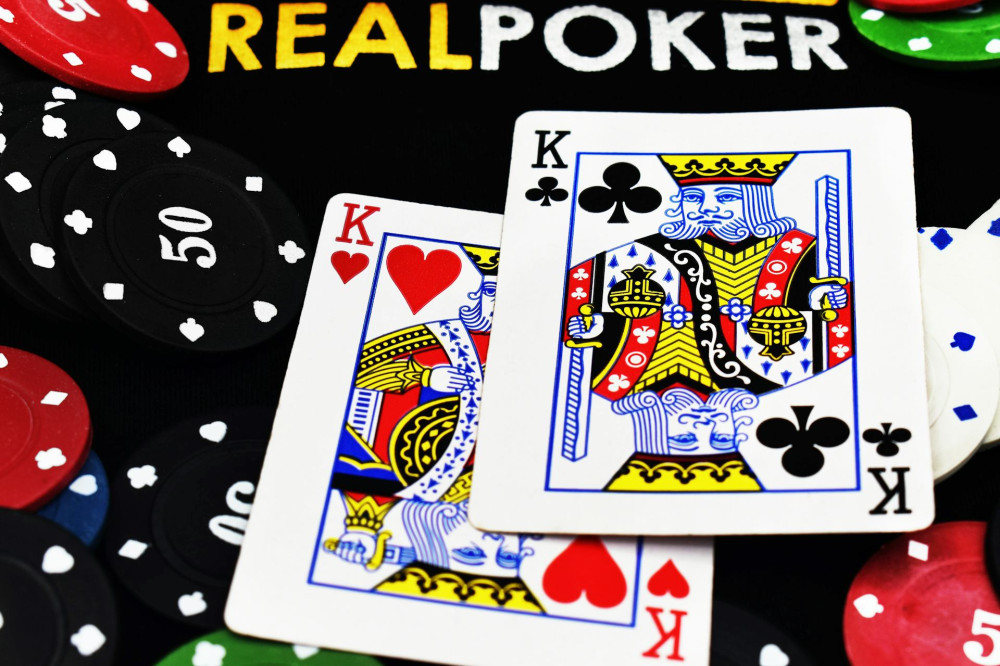
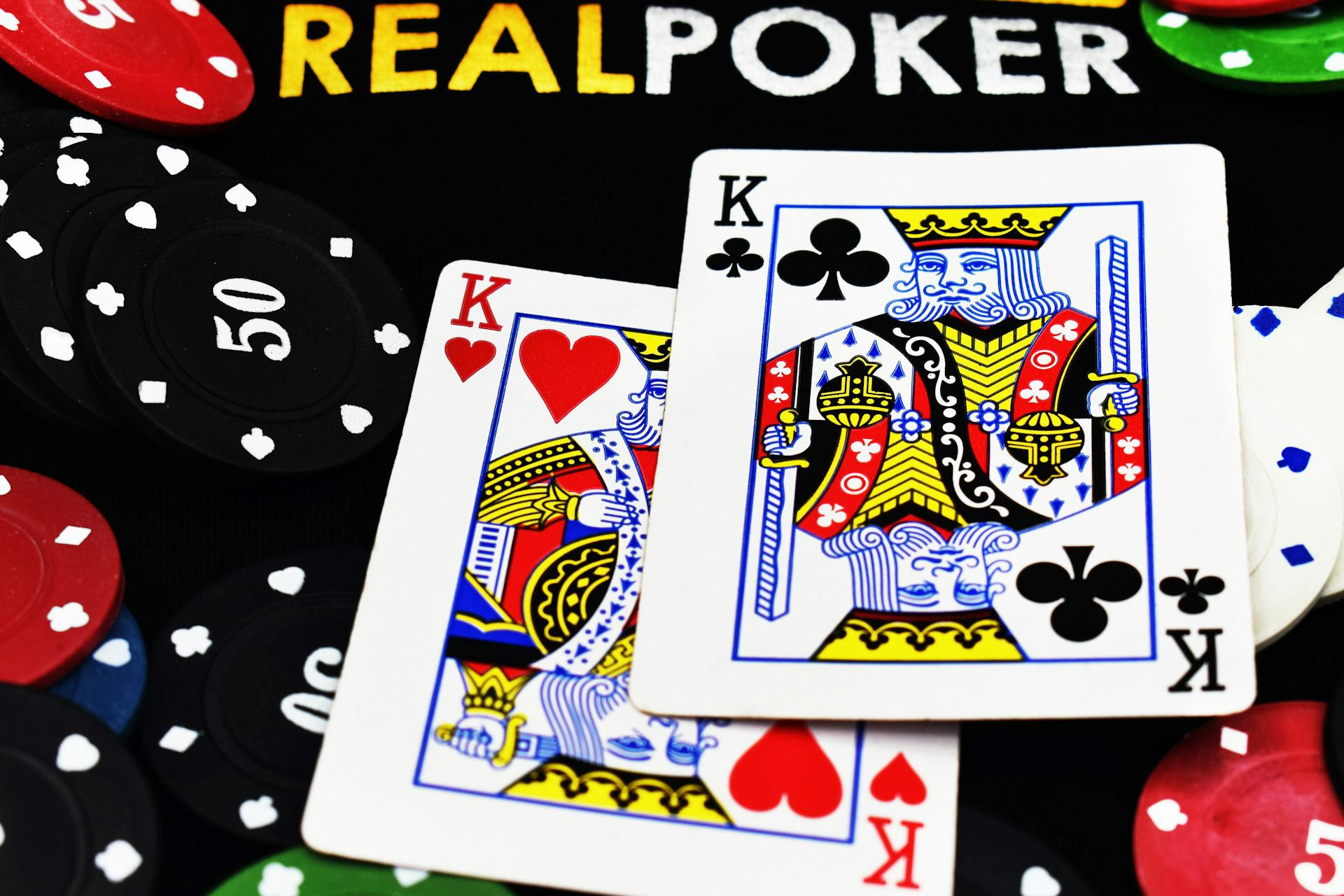
A standard poker hand consists of five cards, and the ranking of hands is universal. The strongest possible hand is a royal flush, while the weakest is high card. Between those extremes are combinations like pairs, straights, flushes, and full houses. Knowing these rankings by heart is crucial to making smart decisions at the table.
Betting and Rounds
Poker is played in betting rounds, where players take turns making decisions. You can check (pass), bet, call (match another player’s bet), raise (increase the bet), or fold (give up your hand). The strategy lies in choosing the right action at the right time — balancing aggression with caution.
Psychology and Strategy
Poker isn’t just about the cards; it’s about people. Reading your opponents’ behavior, spotting patterns, and using bluffing as a tactical tool are all part of the game. The best players combine mathematical reasoning with emotional control and patience.
Texas Hold’em – The King of Poker
The most popular poker variant in the U.S. and around the world is Texas Hold’em. It’s the game featured in the World Series of Poker and countless home games.
Each player receives two private cards (called hole cards), and five community cards are dealt face up in three stages: the flop, turn, and river. Players make the best five-card hand using any combination of their hole cards and the community cards.
Texas Hold’em is famous for its balance of skill and excitement. Success depends not only on the cards you hold but also on how you play them. Concepts like position, pot odds, and bluffing are central to mastering this game.
Omaha – More Cards, More Action
Omaha is similar to Texas Hold’em but with one key difference: each player gets four hole cards instead of two, and you must use exactly two of them along with three community cards to make your hand. This rule creates more possible combinations — and often bigger pots.
Because strong hands are more common in Omaha, players need to be more selective and disciplined. It’s a faster, more action-packed game that rewards careful calculation and timing.
Seven Card Stud – The Predecessor to Hold’em
Before Texas Hold’em became the dominant form of poker, Seven Card Stud was the game of choice in American card rooms. In this variant, there are no community cards. Each player receives seven cards — some face up, visible to everyone, and some face down.
Seven Card Stud demands focus and memory, as you must keep track of which cards are showing and which have been folded. It’s a game that rewards observation and patience as much as luck.
Five Card Draw – The Classic Home Game
Five Card Draw is the version many Americans first learn, often around the kitchen table. Each player is dealt five cards, followed by a betting round. Players can then discard and replace some of their cards to improve their hands before a final round of betting and a showdown.
It’s a simple, fast-paced variant that’s perfect for beginners. Five Card Draw teaches the fundamentals of hand evaluation, betting, and bluffing without too many complex rules.
Online Poker – The Modern Way to Play
The rise of the internet transformed poker into a global phenomenon. Online poker allows players to compete anytime, anywhere, against opponents from around the world. From free-play tables to high-stakes tournaments, there’s a game for every skill level.
Online play requires a slightly different approach. Since you can’t read physical tells, you must rely on betting patterns and timing. Many players also use tracking software to analyze their play and improve their decision-making.
Getting Started
If you’re new to poker, start small. Play with friends for low stakes or try free online games to get comfortable with the rules. Learn the hand rankings, practice reading situations, and focus on making thoughtful decisions rather than chasing every pot.
As you gain experience, explore different variants and strategies. Remember, poker is a game of continuous learning — patience and discipline often pay off more than pure luck.
Læs også:



Poker as a Social and Mental Game
For many Americans, poker is more than just a way to win money. It’s a social experience and a mental challenge — a game that combines logic, psychology, and risk-taking. Whether you’re playing casually or competitively, the key is to enjoy the process, respect your opponents, and keep the game fun.
In the end, poker is about more than cards and chips. It’s about the thrill of competition, the art of strategy, and the timeless appeal of testing your wits against others — one hand at a time.
Læs også: