From Agreements to Rules: The Evolution of Game Regulations in Modern Casinos


From Agreements to Rules: The Evolution of Game Regulations in Modern Casinos
When you walk into a modern casino—whether on the Las Vegas Strip or through an online platform—you enter a world where every move is governed by precise rules. Every bet, every card, and every spin follows a system designed to ensure fairness, transparency, and trust. Yet, this level of regulation is a relatively recent development. The rules that define today’s gaming industry have evolved from informal agreements among players into a complex framework of laws, technology, and ethical standards.
From Gentlemen’s Agreements to Structured Play
In the early days of gambling, games were often played in saloons, riverboats, and private clubs. Rules were flexible, and much depended on the honesty of the players and the authority of the host. Disputes were common, and fairness was largely a matter of personal reputation rather than formal oversight.
As gambling became more widespread and money stakes grew, the need for standardized rules became clear. Casinos began to codify their games, ensuring that everyone played by the same standards. Written rules not only reduced conflicts but also protected the house from accusations of cheating. What began as a way to maintain order soon became a cornerstone of the casino business model.
Professionalization and Oversight
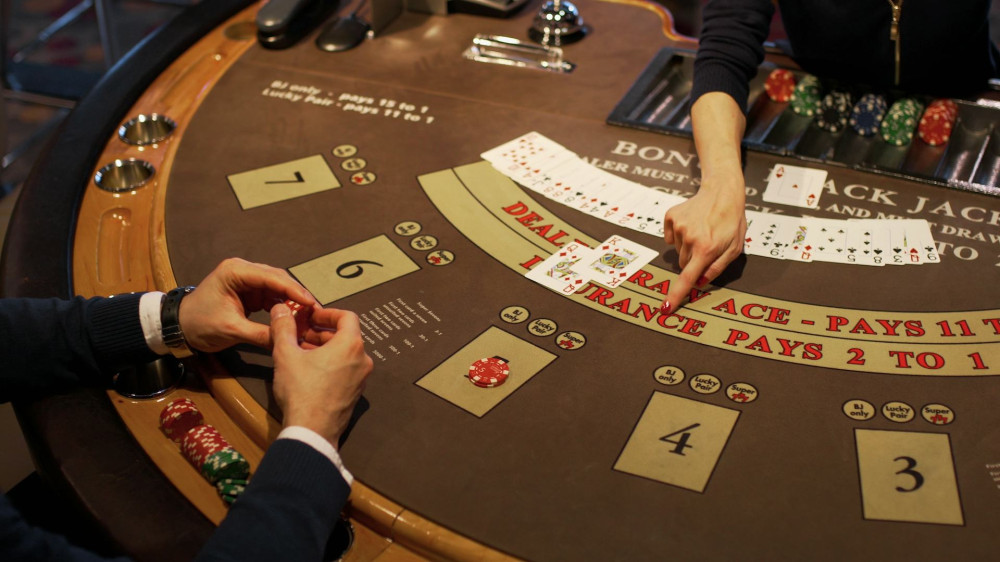
By the late 19th and early 20th centuries, gambling had transformed from a pastime into a professional enterprise. In places like Monte Carlo and, later, Las Vegas, casinos introduced trained dealers, standardized equipment, and strict house procedures. Games such as blackjack, roulette, and poker were formalized, and the role of the dealer shifted from participant to impartial referee.
This professionalization changed the casino’s image. It was no longer a smoky backroom affair but a legitimate entertainment venue. Trust became a selling point, and casinos realized that their reputation depended on the perception of fairness. The introduction of surveillance systems, pit bosses, and regulatory oversight further reinforced this trust.
Læs også:



The Technological Revolution
The late 20th century brought a new challenge: the rise of online gambling. Without the physical presence of dealers or other players, how could casinos guarantee fairness? The answer came through technology.
Online casinos began using Random Number Generators (RNGs)—algorithms that ensure every outcome is random and cannot be manipulated. Independent testing agencies, such as eCOGRA and GLI, emerged to certify that these systems met strict fairness standards. Encryption technologies and secure payment systems became essential to protect players’ data and funds.
Today, technology doesn’t just support the games—it defines them. From live dealer streaming to blockchain-based transparency tools, digital innovation has become the backbone of modern casino regulation.
Regulation and Responsible Gaming
As the gaming industry expanded, so did the need for government oversight. In the United States, regulation varies by state, but the goal is consistent: to ensure integrity, protect consumers, and prevent problem gambling. Agencies such as the Nevada Gaming Control Board and the New Jersey Division of Gaming Enforcement set standards for everything from payout percentages to advertising practices.
Modern casinos must now comply not only with game rules but also with broader social responsibilities. They are required to promote responsible gaming, offer self-exclusion programs, and provide resources for those struggling with addiction. The focus has shifted from merely ensuring fair play to fostering a safe and ethical gaming environment.
From Games to Systems
The evolution from informal agreements to formal rules mirrors a larger societal shift. Gambling is no longer a casual pastime—it’s a regulated industry that blends entertainment, technology, and law. Where once fairness depended on a dealer’s integrity, it now relies on algorithms, audits, and legal frameworks.
For players, this means greater transparency and security, but also a more structured experience. The thrill of chance remains, yet it operates within a carefully managed system designed to protect both the player and the industry.
Balancing Freedom and Control
The history of casino regulation is, at its core, a story about balance. Gambling thrives on unpredictability and excitement, but it also demands trust and accountability. Modern casinos strive to maintain this equilibrium—using technology, regulation, and ethical standards to ensure that freedom and fairness coexist.
From the gentleman’s handshake at a 19th-century poker table to the encrypted algorithms of today’s online platforms, the evolution of casino rules reflects society’s ongoing effort to make risk both thrilling and responsible. And it is precisely this balance that keeps the world of gaming alive, evolving, and endlessly fascinating.
Læs også: