Bingo for Beginners: How to Learn the Rules Step by Step

Bingo for Beginners: How to Learn the Rules Step by Step
Bingo is one of the most popular and easy-to-learn games in the United States. You’ll find it in community centers, churches, senior clubs, and online platforms. It doesn’t require any special skills—just a bit of luck, attention, and a love of fun. If you’ve never played before, the rules might seem confusing at first. Don’t worry—this step-by-step guide will walk you through everything you need to know to start playing bingo.
What Is Bingo?
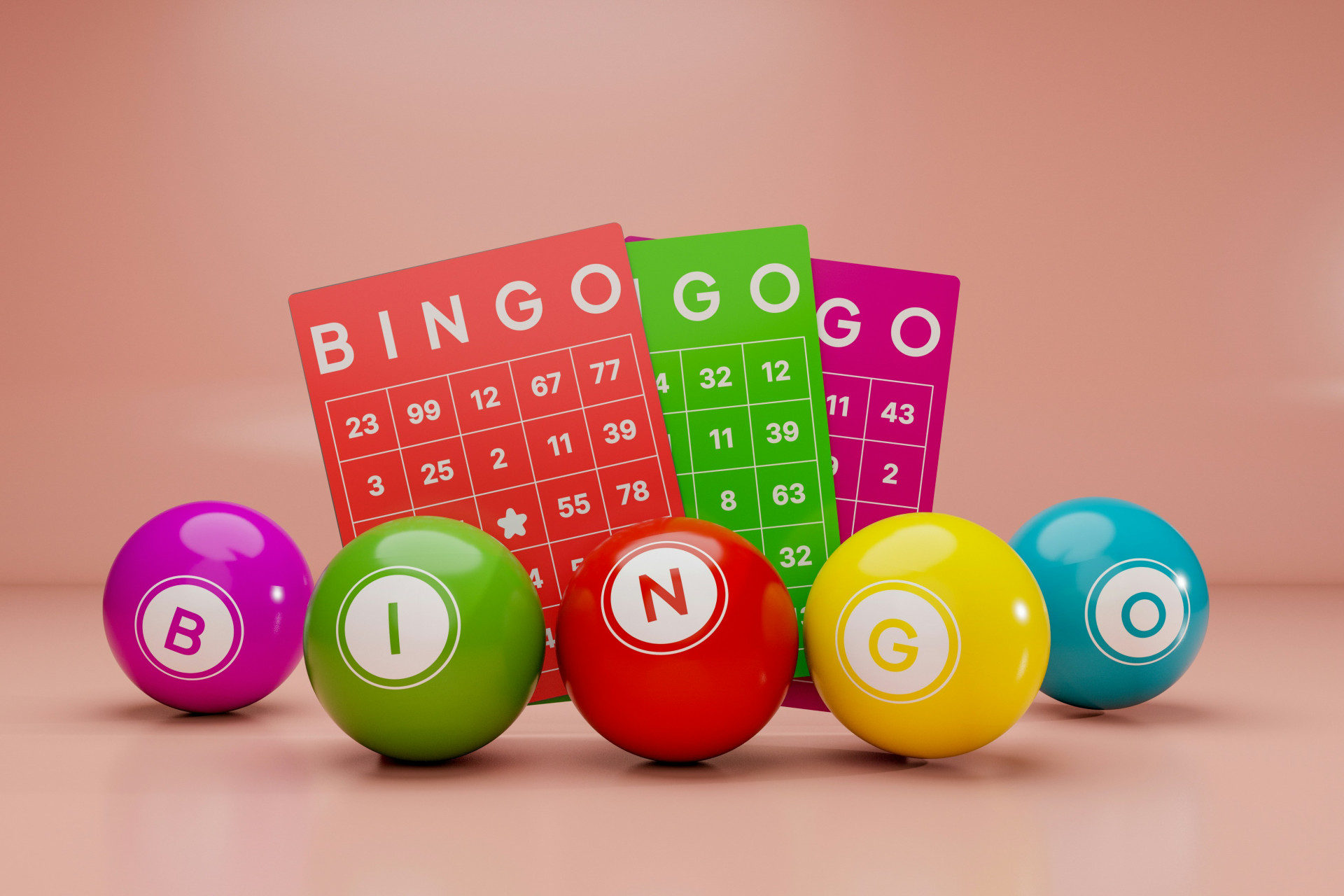
Bingo is a game of chance where players mark numbers on a card as they are randomly called out. The goal is to complete a specific pattern—such as a line, a column, or the entire card—before anyone else does. When you complete the winning pattern, you shout “Bingo!” and your card is checked to confirm your win.
Getting Started
1. Get a Bingo Card
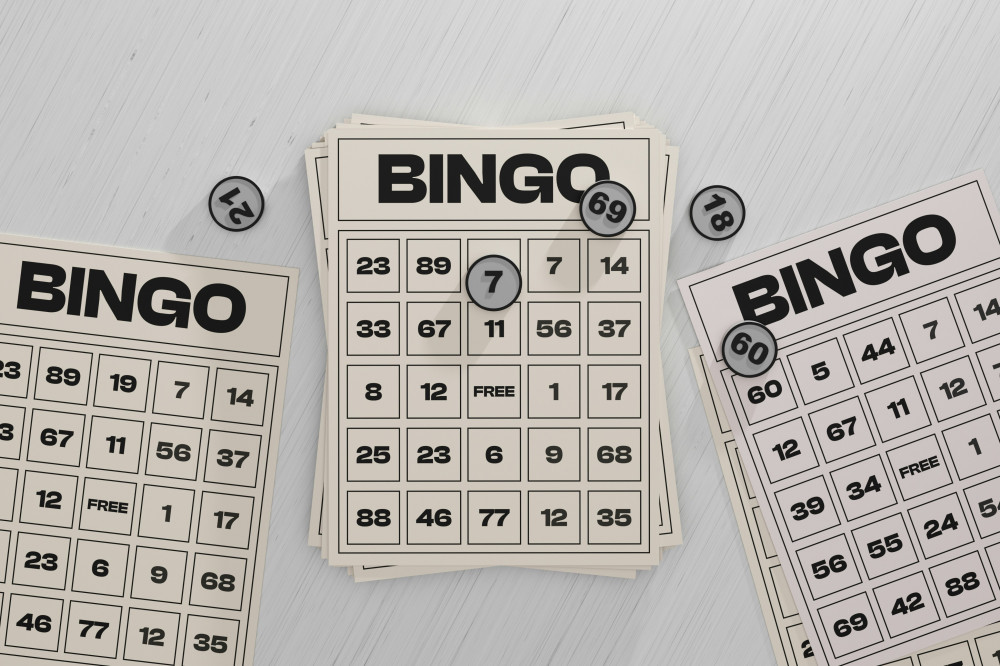
A standard American bingo card has a 5x5 grid with numbers ranging from 1 to 75. Each column is labeled with one of the letters in the word BINGO. You can buy cards at a bingo hall, receive them at a local event, or play digitally on an online bingo site.
2. Understand the Columns and Numbers
Each column on a 75-ball bingo card covers a specific range of numbers:
- B: 1–15
- I: 16–30
- N: 31–45 (the center square is usually a free space)
- G: 46–60
- O: 61–75
This setup helps players quickly locate numbers when they’re called, such as “B-10” or “G-57.”
3. Listen to the Caller
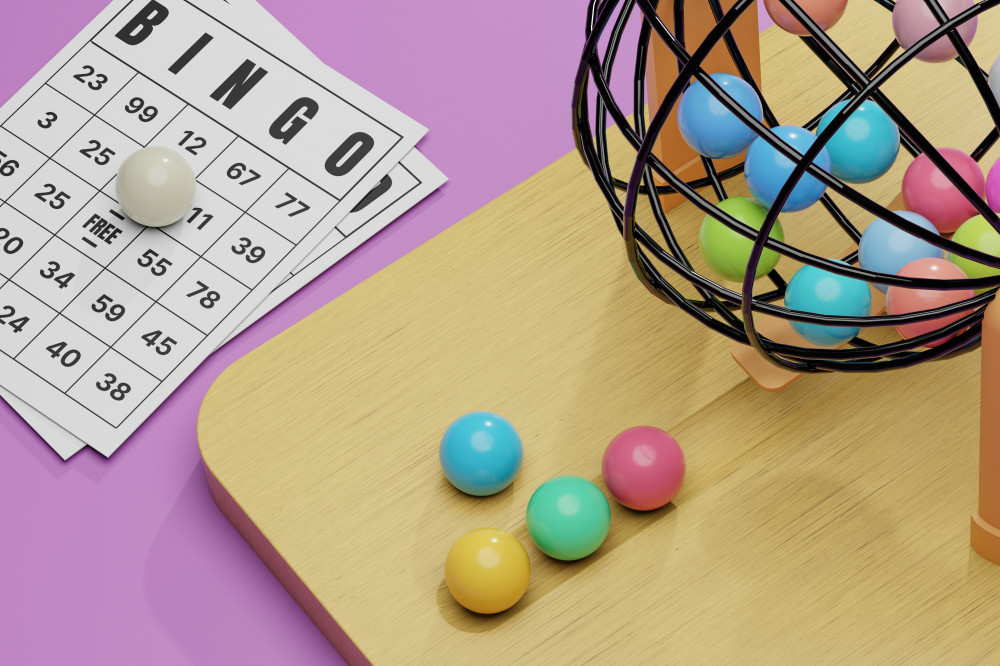
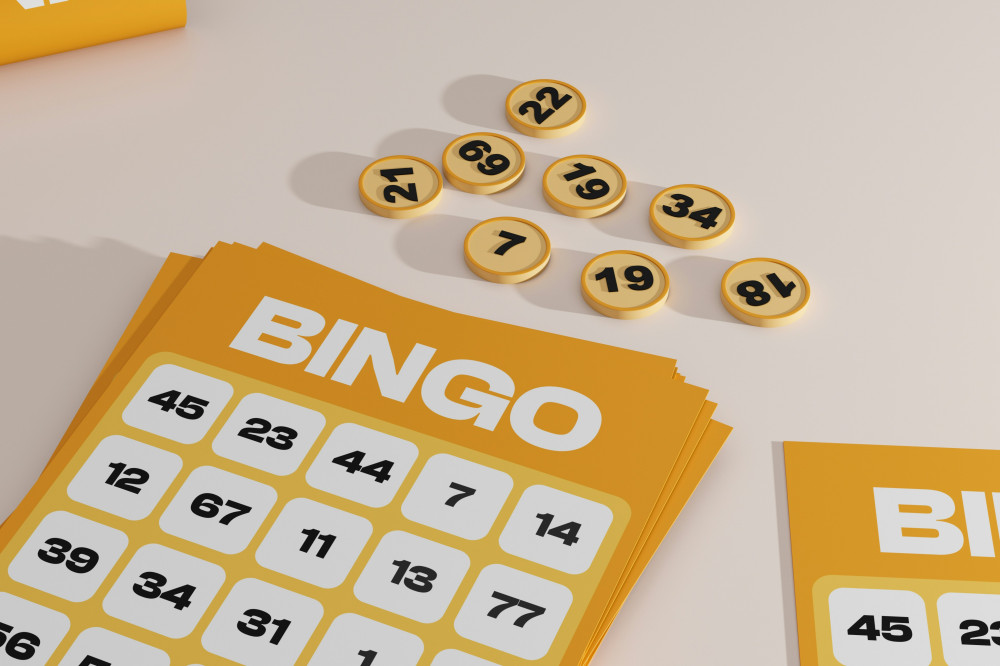
In traditional bingo halls, a caller announces one number at a time, often using a bingo machine that randomly selects balls. Online games display the numbers automatically. When you hear or see a number that’s on your card, mark it right away—using a dauber, a chip, or a digital marker.
4. Learn the Winning Patterns
Before each game begins, the caller or host will announce the winning pattern. The most common ones include:
- Single line – five marked numbers in a row, column, or diagonal.
- Two lines – two completed lines on the same card.
- Full card (Blackout) – every number on the card is marked.
Some games feature special patterns, such as corners, crosses, or themed shapes. Always check the pattern before the game starts.
5. Call Out “Bingo!” Quickly
If you complete the winning pattern, shout “Bingo!” loud and clear before the next number is called. In online games, the system usually detects it automatically, but in live games, timing is everything. Once you call bingo, your card will be verified, and if it’s correct, you win the prize—anything from cash to gift cards or small prizes.
Læs også:

Popular Bingo Variations
There are several versions of bingo, and the rules can vary slightly depending on where you play:
- 75-ball bingo – the classic American version, most common in the U.S. and online.
- 90-ball bingo – popular in the U.K. and Australia, with cards that have three rows and nine columns.
- Theme bingo – used for parties or fundraisers, where numbers might be replaced with pictures, words, or trivia topics (like music bingo or holiday bingo).
Always check the rules for the specific version you’re playing.
Tips for Beginners
- Start with one or two cards – it’s easier to follow along until you get used to the pace.
- Stay focused – numbers are called quickly, so pay attention and avoid distractions.
- Ask for help – regular players are usually happy to explain the rules or offer tips.
- Enjoy the experience – bingo is as much about community and fun as it is about winning.
Bingo as a Social Experience
One of the reasons bingo has remained popular for generations is its social nature. It brings people together—friends, families, and neighbors—for a shared experience filled with laughter and excitement. Many players attend weekly games not just to win, but to connect with others. Even online bingo communities now include chat rooms where players can talk and celebrate wins together.
Ready to Play?
Once you’ve played a few rounds, you’ll see how simple and entertaining bingo really is. The rules are easy to learn, but the thrill of waiting for that final number never gets old. So grab a card, listen closely, and maybe you’ll be the next one to shout “Bingo!”
Læs også: